The Singapore National Co-operative Federation (SNCF) marked the 100th anniversary of the country’s co-operative movement by announcing steps to revitalise the sector.
“At the end of the day, we hope to see a co-operative movement that is rejuvenated with vitality and a clear sense of mission – one that continuously and constantly adapts itself to meet emerging needs of our society,” said minister for community, culture and youth (MCCY) & manpower Dinesh Vasu Dash, who announced a 10-year transformation roadmap for the movement.
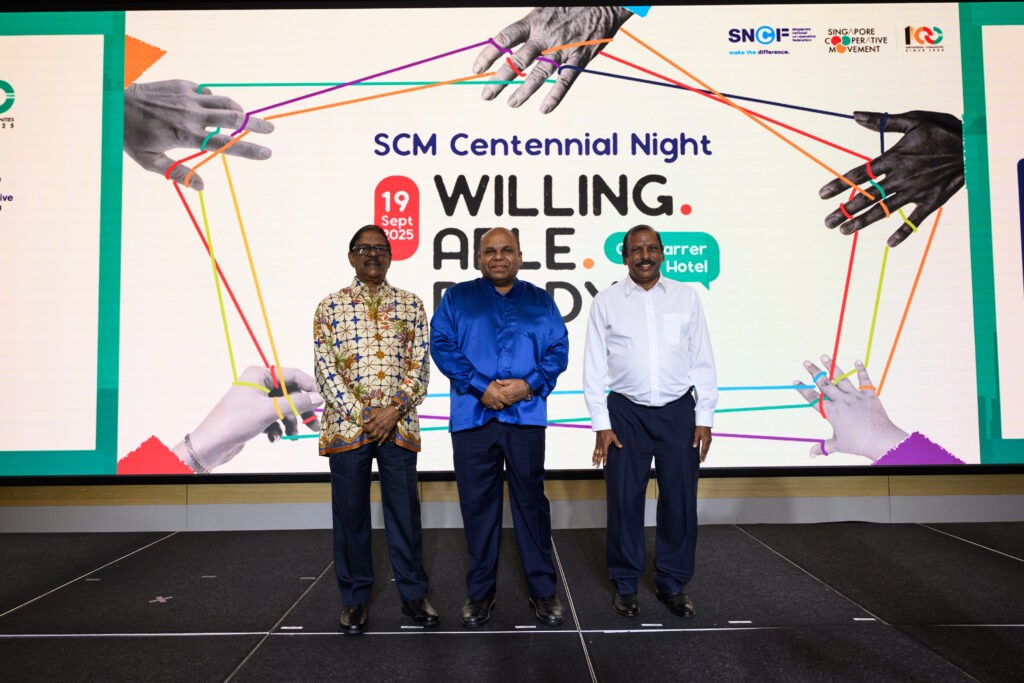
He was speaking at the Singapore Co-operative Movement Centennial Night, with 400 co-operators and guests in attendance. This is his first official engagement with the co-operative movement, following his appointment into the MCCY portfolio in May.
Dinesh noted that co-ops are recognised for their effectiveness in delivering purposeful impact and making a real difference in the lives of their members.
“Many of these transformative initiatives would not have been possible without the wonderful and strong partnership that co-ops had together with SNCF and MCCY,” he added.
Carried out by SNCF and in consultation with MCCY, the roadmap was developed over five months through extensive engagements with 1,200 stakeholders, including co-op leaders, emerging leaders from the co-op sector, youths, unions, and members of the public.
Related: Singapore’s co-op apex launches brand awareness campaign
At these engagements, participants noted the need for co-ops to raise their profiles among the public, highlight meaningful the career pathways they offer, and build stronger capabilities in governance and day-to-day efficiency.
These insights shaped the roadmap, said SNCF’s chief executive officer Ang Hin Kee, outlining initiatives to meet sector needs and advance co-ops’ social missions. It is built around four strategic pillars (talent & leadership, governance & stewardship, operational excellence & scale-up, and community outreach & impact).
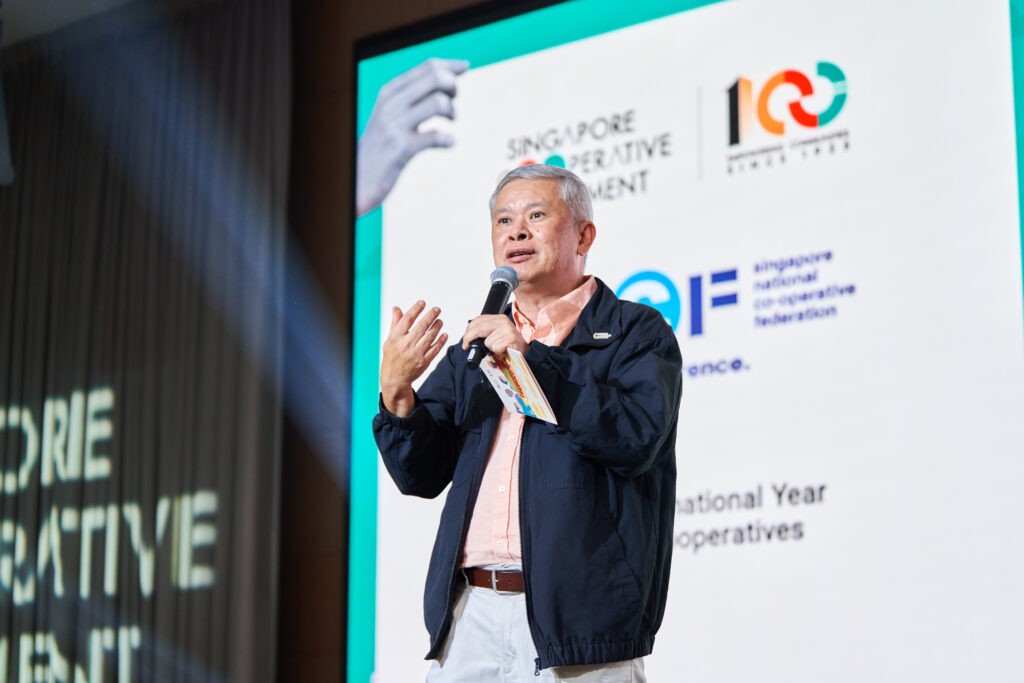
“We are strengthening our co-ops’ leadership base and sharpening their ability to execute exceptionally,“ And added. “Just as importantly, co-ops’ ability to sustain its social responsibility and values will be further strengthened. We believe these values must take deeper root, so that more Singaporeans and our members can put these ideals like self-help and mutual assistance into practice.”
For a start, co-ops can look forward to more support in attracting new talents into the movement.
Co-operative Leaders Programme (CLP), a new programme under the talent & leadership pillar, will further nurture co-operative leaders in the movement. CLP will provide co-operators with three to 10 years of experience opportunities to strengthen their leadership and business management skills. SNCF seeks to enable 150 co-operators under this programme.
“When I became a committee member at the co-op, we only learnt through experience. We hope that with CLP, there will be courses to help socialise co-ops and their missions, and to build leadership skills to scale up,” said John Raghavan, chair of the Singapore Government Staff Credit Co-operative (SGSCC) and SNCF executive council member.
Youth co-operator Raena Leang told how she has learnt about the unique nature of co-ops as businesses, and their strong potential to be a core part of any society’s socio-economic fabric. “Being part of the movement, and of a co-operative, has given me first-hand experience of the empowerment, pride, and autonomy that co-op members enjoy, as well as the challenges co-operatives face,” said Leang, now a relations & solutions partner at SNCF; she also supports GP+ Co-operative through a part-time secondment.
“I have learnt the need to balance business needs with social goals, a balance that is essential for co-operatives to thrive sustainably,” she added.
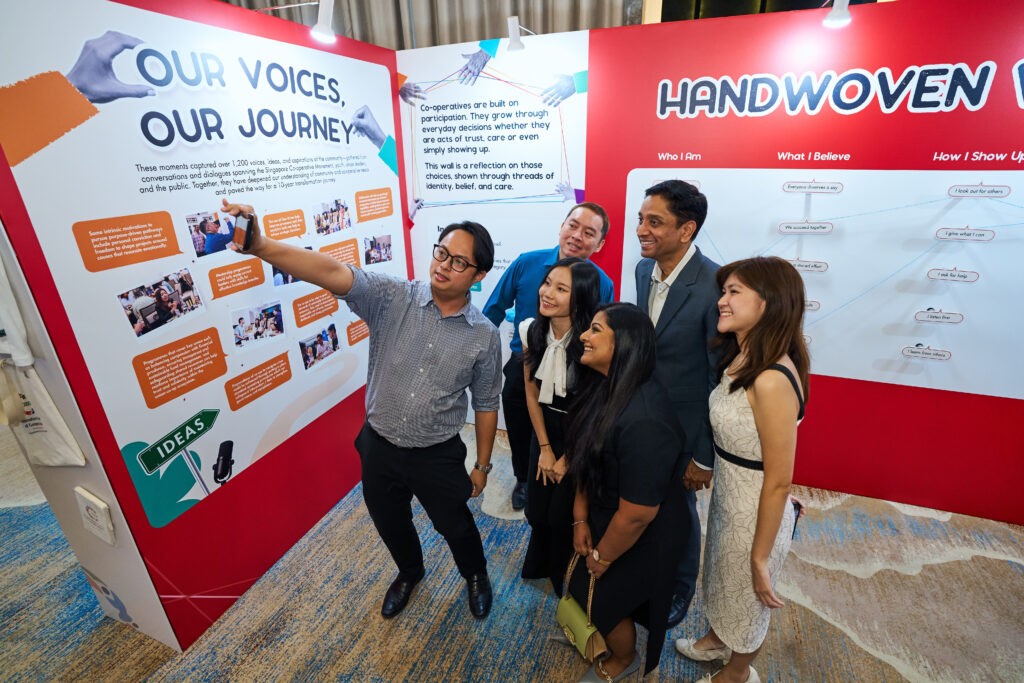
Having joined the co-op in 1983 as a junior civil servant, Raghavan has seen how credit co-ops like SGSCC uplift lives. “Back then, civil servants’ pay was meagre,“ he said. “The credit co-op was helpful; I could take loans to buy books, uniforms and shoes for my children, with repayment deducted from my salary automatically and without late payment fees.”
The first CLP cohort is set to commence in early 2026.
Krishnasamy Rajaram, chair of Citiport Credit Co-op, explained that the community outreach & impact pillar resonates strongly with his co-op, set up over 100 years ago. He noted that its journey would not have been possible without the support of the community. For him, the key is to remain relevant and purposeful in serving people, even as generations change and their understanding of co-ops evolves. This pillar, he believes, allows Citiport to continue reaching current members, but also potential new members and youth in the years to come.
First founded in 1925 to help low-wage workers access credit and not fall prey to illegal moneylenders, co-ops have uplifted the lives of members and empowered communities at large in Singapore. The earliest co-ops are credit co-ops operated on the principles of self-help and mutual assistance, offering members a fair and collective way to save, borrow and support one another.
Today, there are 75 co-ops in Singapore, serving sectoral needs including providing care services for children, elderly people, and persons with special needs.