Kambe Events – the company behind pioneering independent festival Shambala – has today (21 April) announced a transition to employee ownership, making it the first UK festival to adopt the model.
The move sees the festival’s co-founders step away from ownership, ceding the business to the team members who have helped build it over more than two decades.
Shambala will now be owned by an employee ownership trust (EOT), helping to ensure the festival remains independent, and that its team will share in future successes.
“All of us at Shambala have an emotional stake in what we have built over 25 years; now everyone has an ownership stake too,” said co-founder and MD Chris Johnson. “We would be nothing without our people, and they deserve to carry on the Shambala legacy as beneficiaries.”
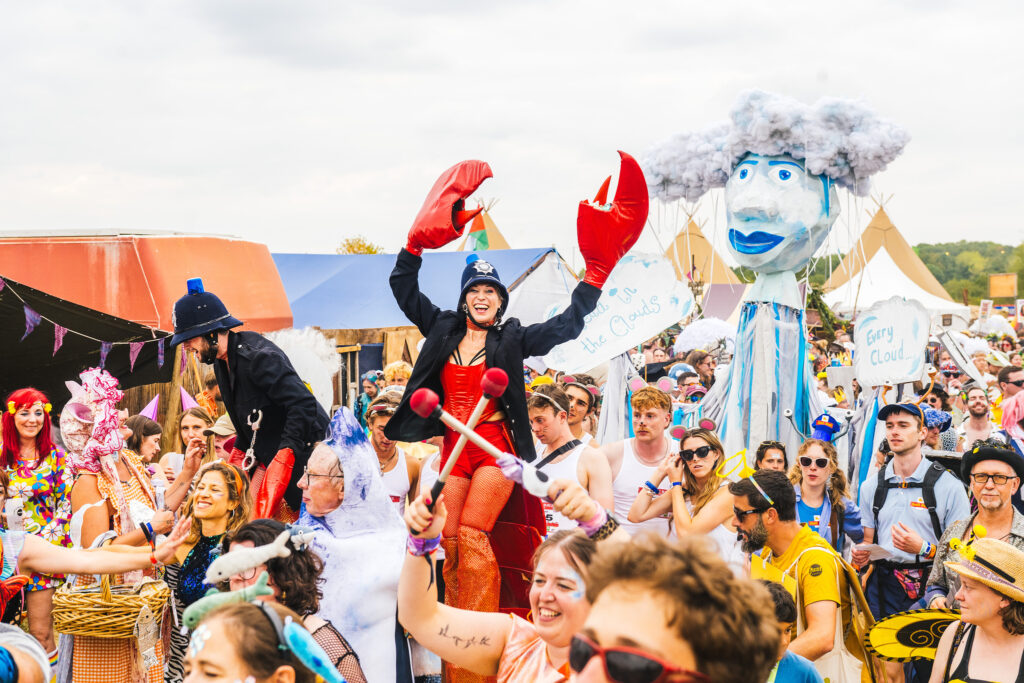
The news comes at a time when many independent festivals are being acquired by major live entertainment conglomerates, and Shambala says it marks a significant alternative path for the sector, reinforcing its “commitment to independence, sustainability and ethical stewardship”.
Johnson added: “Shambala stands for independence and, in an increasingly commercialised festival scene, we simply could not sell to venture capitalists or the big promotion companies.
“While exploring alternative paths, we fell in love with the employee ownership model.”
While recent years have seen a rise in community ownership of independent venues and a growing number of employee-owned retailers, this transition represents a first for the UK festival industry.
“It is patently clear that the current capitalist model is fundamentally broken,” said Dan Raffety, co-founder and head of music at the festival. “As a society we must explore alternative models of ownership as a way through which the massive power and potential of capitalism can be focused on serving humanity and the planet at large.
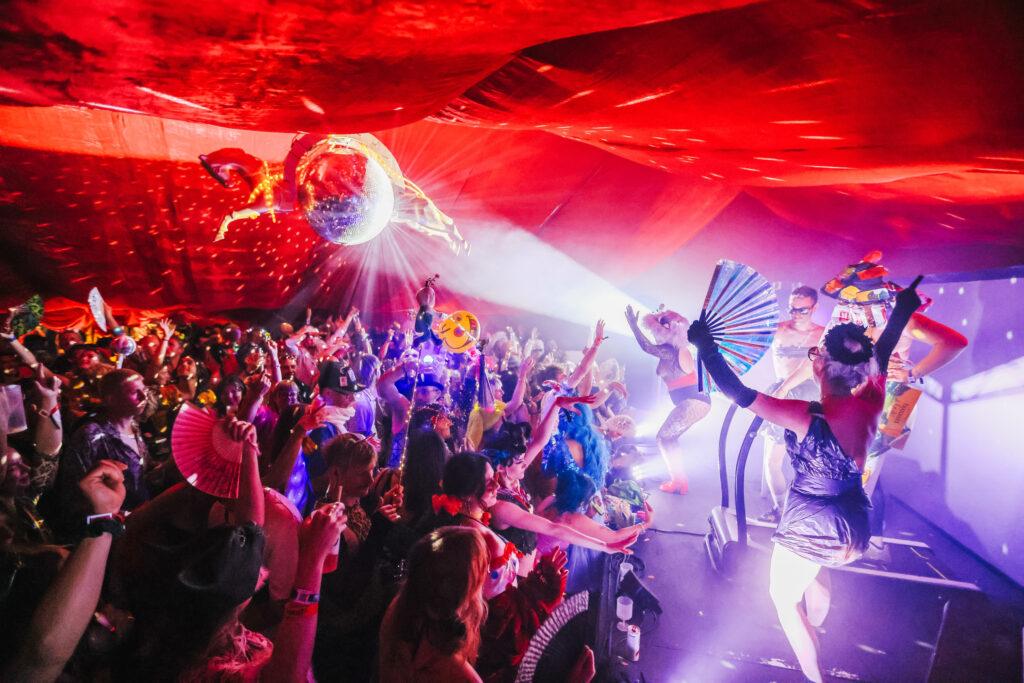
“Employee ownership is just the next, natural step in Kambe’s adventures towards a utopia – the next phase in our constant evolution towards justice and a better world.”
Shambala said the move continues its “long-standing tradition of thought-leadership and innovation”.
“Over its 26-year history,” it added, “the festival has been at the forefront of industry change, particularly in areas like sustainability and ethical operations. This latest development adds to a legacy defined by forward-thinking decisions and a willingness to challenge the status quo.
“By placing ownership in the hands of its employees, the festival is ensuring that its founding ethos – creativity, sustainability, independence and community – remains protected for years to come.”
Tom Berry, incoming EOT chair, said: “Employee ownership is the very best long-term option for people-focused businesses looking to protect their culture and reward their people. Kambe is a hugely creative group of people who have worked together to create one of the most culturally significant and unique festivals in the UK. The Kambe founders want a lasting legacy and employee ownership means everyone wins. I’m incredibly proud to be the team’s first EOT chair.”
EOT representative George Devereaux added: “I’m really excited to be part of the first ever EOT board within the UK festival industry. Entrusting our company to those who know it best is a forward-thinking move that secures our independence and creative freedom. As someone who grew up attending festivals and spent most of their professional life working in events, it’s an honour to be shaping the future of Kambe.”
Fellow EOT representative Sarah Mason said: “EOT means the chance to retain our independence from big corporate influence. It means the opportunity as owners to have oversight of company direction and performance and it’s an opportunity to ensure the values that we have always held as an organisation are upheld and still lived despite changes to the governance of the company.”