Last year was the International Year of Co-operatives; 2026 is the International Year of the Woman Farmer (IYWF 2026).
A global initiative led by the Food and Agriculture Organization (FAO), it aims to recognise, empower, and support women in agrifood systems – and address critical gender inequalities, improve access to resources, and highlight the vital role of rural women in food security, economic survival and climate resilience.
Worldwide, women make up nearly 50% of the agricultural workforce, but face productivity gaps of up to 24% due to limited access to land, credit, and technology. According to the FAO, closing gender gaps could boost the global GDP by US$1tn – and reduce food insecurity for
45 million people.
Co-operatives have a role to play here as vital tools to empower women farmers, enabling them to boost income, access resources and build supportive networks. By joining co-ops, women increase agricultural productivity by 20–30%, improve market access, and gain leadership roles, reducing the gender gap in agriculture.
Ahead of International Women’s Day (8 March 2026), here are six co-operatives run by and for women farmers.
Related: OurCoop marks International Women’s Day with look at Malawi Partnership
Rwanda: Women’s coffee co-operatives
Women-led coffee co-operatives in Rwanda have become powerful vehicles for economic empowerment and community development, with groups such as the Abakundakawa coffee grower’s co-operative bringing women farmers together to improve coffee quality, access markets, and develop peer-training systems.
By working collectively, members have secured direct relationships with buyers, diversified incomes, and reinvested profits into local services and education. The co-operatives emphasise sustainable farming practices and diversification, resulting in more confidence and decision-making power within households and communities.
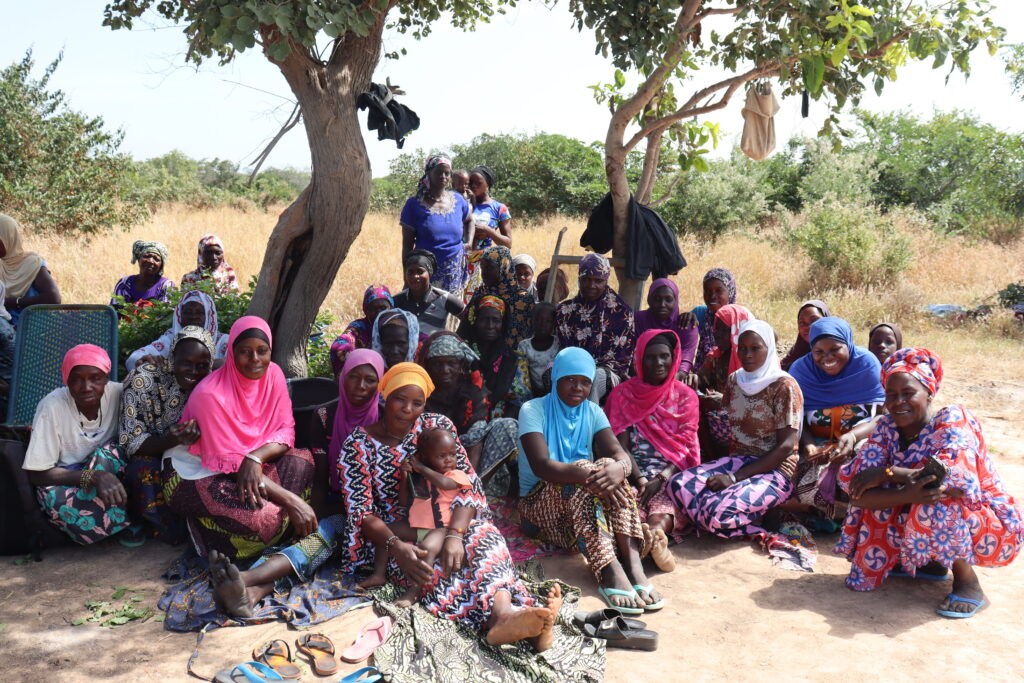
Mali: Benkadi Women’s Shallot Co-operative
In Mali’s Segou region, the Benkadi women’s co-operative of shallot producers illustrates how collective action can overcome market barriers. Initially, women struggled with low prices and limited bargaining power, preventing them from reinvesting in production.
By joining forces with other associations and integrating into the larger Faso Jigi co-operative, they gained access to shared storage facilities and coordinated marketing systems. These improvements allowed them to sell produce when prices were favourable rather than immediately after harvest, in turn allowing members to expand production and invest in their farms and families.
The co-operative also ensured that women’s needs were recognised in decision-making, showing how inclusive governance structures can strengthen both food security and gender equity in rural economies.
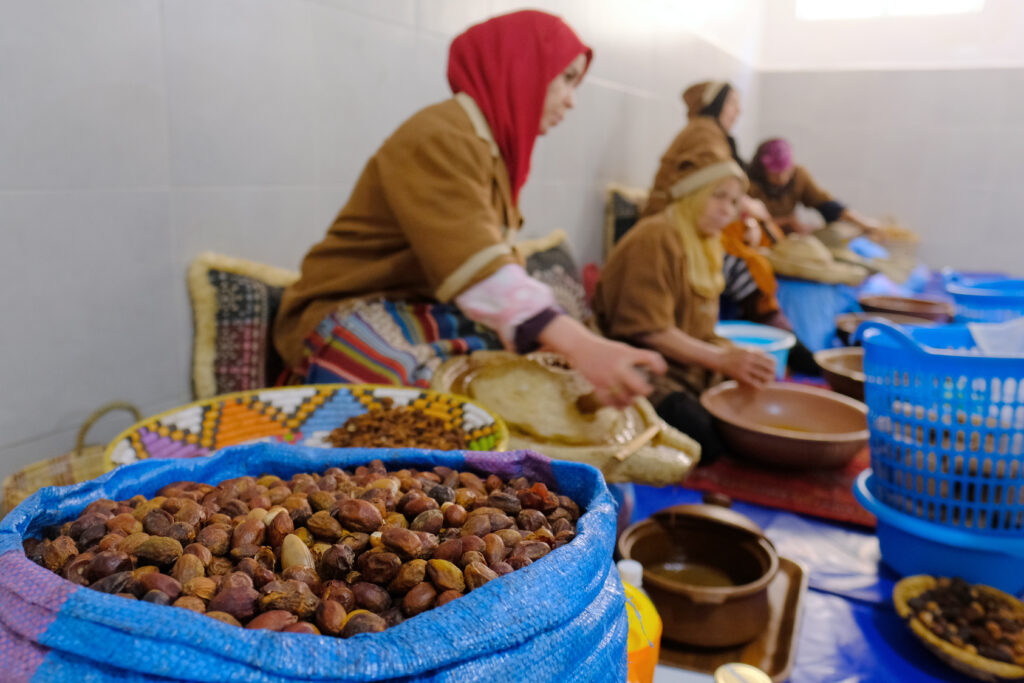
Morocco: Argan oil women’s co-operatives
Women’s argan oil co-operatives in Morocco’s Sous Valley have transformed a traditional activity into a globally recognised value chain.
Organised groups enable rural women to process argan kernels into high-value cosmetic and culinary oils, marketed internationally. Co-operative structures provide training, literacy programmes, and fair wages, while collective branding allows members to bypass exploitative middlemen. In regions such as Marrakech-Safi, women manage hundreds of co-operatives, taking on leadership roles and participating in governance.
These enterprises not only generate income but also promote environmental stewardship by protecting argan forests, which are vital to local ecosystems – and demonstrates how gender-inclusive co-operatives can link biodiversity conservation with women’s economic empowerment and rural resilience.
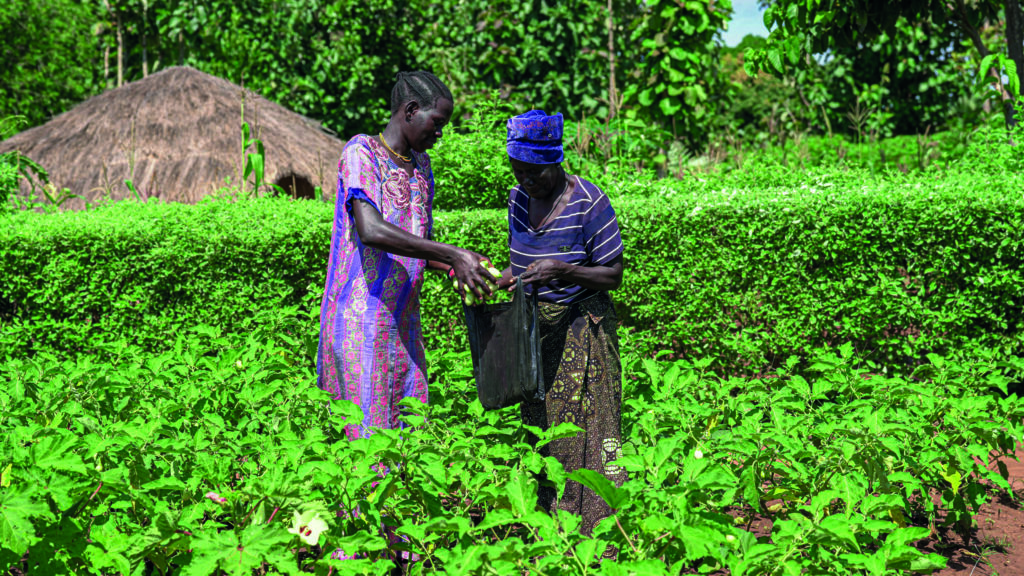
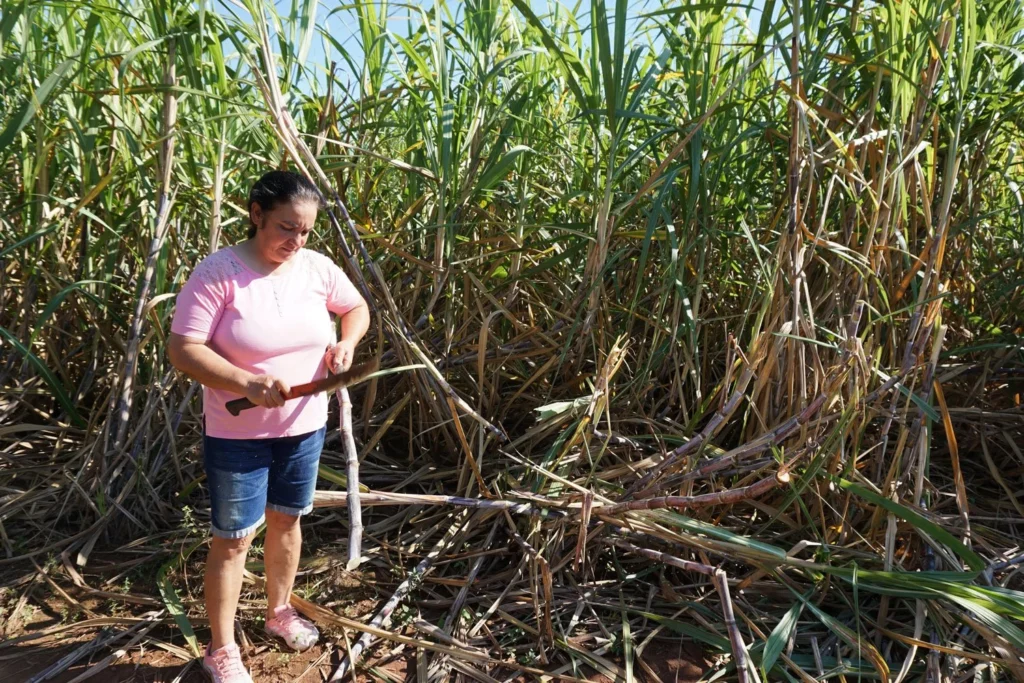
Paraguay: Manduvira Sugarcane Co-operative
The Manduvira sugarcane co-operative in Paraguay stands out for its high rate of female participation and farmer ownership of processing infrastructure.
By building the country’s first sugar mill owned by smallholders, the co-operative enabled members – many of them women – to reduce production costs and capture more value from exports. Manduvira provides credit services, social programmes, and access to international Fairtrade markets, exporting most of its sugar worldwide.
Women members benefit from improved incomes, financial inclusion, and participation in co-operative governance, proving how integrating women into value-added processing and export chains can strengthen rural economies while advancing gender equity in agricultural leadership and enterprise development.
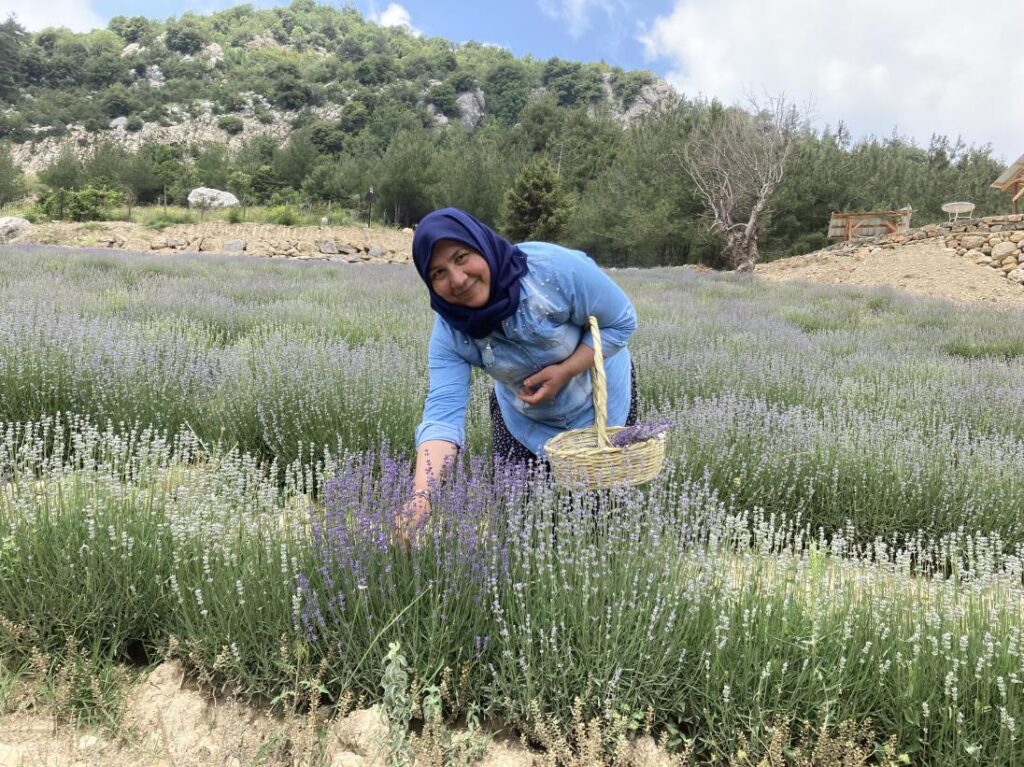
Türkiye: Tapaneli Women Farmers’ Lavender Cooperative
Founded by rural women to address drought and economic marginalisation, the Tapaneli Women Farmers’ Cooperative produces and markets lavender products including oil, tea, and honey.
With training and equipment support, members moved from unpaid family labour to independent producers managing processing and marketing. The co-operative revitalised degraded land and created new income streams while strengthening women’s leadership in the community.
Spain: Association of Women of Agri-Food Cooperatives (AMCAE)
Part of the Agri-Food Cooperatives of Spain, AMCAE promotes and supports female leadership by empowering and integrating women into decision-making roles within agricultural co-operatives.
AMCAE fights inequality in rural areas, promotes access to training and innovation, and strengthens the role of women in the socio-economic development of the agricultural sector.
It also shares case studies of co-operatives that genuinely support women farmers, such as Bodegas Campos Reales (a wine co-op) and Cooperativa Colival (olive oil), which have higher numbers of women in management positions.
But it acknowledges that work remains to be done, as women currently represent only 28% of co-operative membership, and only 10% of board positions.