A fund created by and for co-ops is calling for fellow co-operators to join its mission of supporting the development of co-ops worldwide, in rebuilding after crises and fostering peace through the power of
co-operation.
The Fund for International Cooperative Development (FICD) was launched on 21 December last year, on the 180th anniversary of the Rochdale Pioneers opening their first store on Toad Lane – now the site of the Rochdale Pioneers Museum.
“We were deliberate in selecting the day, and we went to Toad Lane to honour the pioneers and create something that we felt was the next natural step of co-operative development,” says Central Co-op CEO Debbie Robinson, who is a co-founder and the chair of the fund.
“The pioneers were clearly about unadulterated food – oats, sugar, and flour that was actually flour. This new international fund is partly about sourcing and supporting co-operative products on a global scale; so making sure that the people producing our products and services are paid fairly, and the conditions that they work in are what you would expect from the high standards of a co-op.
Related: With global development at a crossroads, can co-ops step up?
“It’s definitely a natural extension of the co-operative movement and its relevance today, with so many of our goods and services being provided internationally. And also it’s a natural step on from Fairtrade, which co-ops led 31 years ago at the introduction of the fair trade movement in the UK.”
The fund’s activities centre around three key areas: immediate crisis response via humanitarian assistance; medium-term rebuilding post-crisis; and long-term co-operative development through co-op to co-op trade, the development of primary and secondary co-ops, and strengthening co-operative networks and partnerships.
When it comes to responding in a crisis, co-ops are “incredibly generous”, says Robinson.
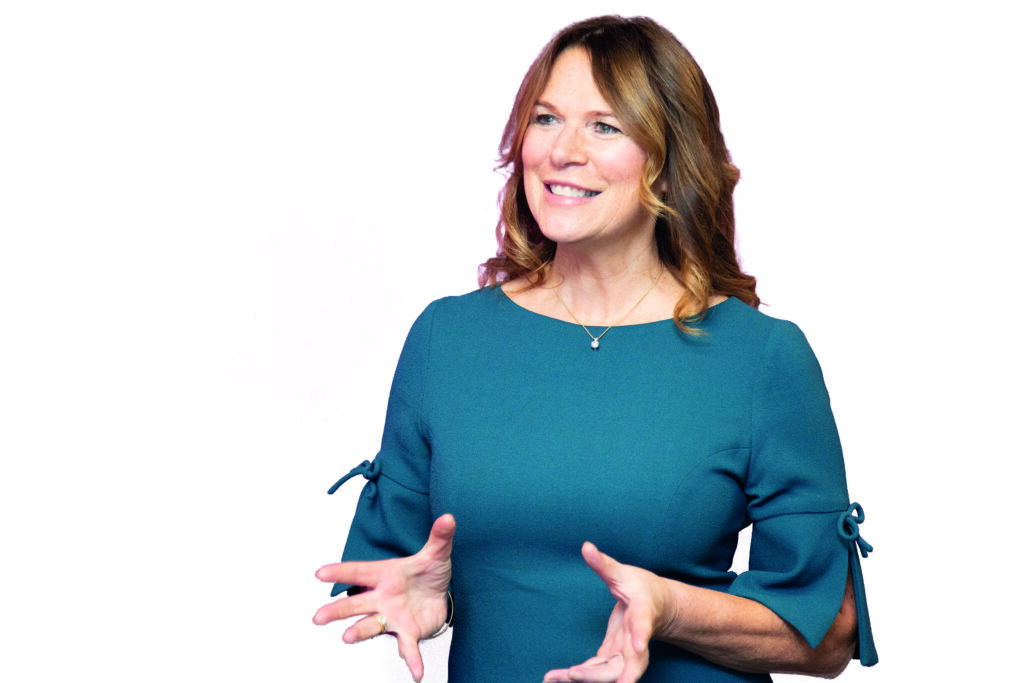
“They donate funds to Disasters Emergency Committee (DEC) appeals and national and international funds.” But, she adds, these funds are not targeted to co-ops on the ground.
“The idea, going forward, that we would be able to give direct co-op-to-co-op support, so our members in our own societies would know that their economic participation is supporting co-operative development.”
Robinson shared an example of when, in the early days of the Ukraine crisis, UK co-ops were able to get generators across the border through co-ops in Poland into Ukraine. The FICD would enable more of this kind of work to happen quickly when a crisis hits.
Post-crisis, the FICD will support rebuilding efforts through funding and trade, by supporting members of the fund to buy goods and services from impacted countries, allowing them to build resilience in a sustainable way.
The fund will also support the long-term development of co-ops worldwide, by encouraging members to ask ‘is there a co-operative solution to the problem?’.
“Whether that’s macadamia nuts from Malawi, or whether it’s olive oil, it’s about saying we should always go to a co-op first,” says Robinson. “It may be that the co-ops need to increase their yields to meet the demands, but you’d make a long term commitment to grow with them, and buy what they are able to produce.”
Robinson would like to see making a contribution towards development become a condition of being a co-op, in order to make “a real virtuous circle of a co-operative economy”.
“As we all know, access to capital for co-ops can be really challenging,” she adds, “and this is a way of solving that problem ourselves by investing in the development of co-ops.
Related: International co-op fund unveils logo produced by Sewa Federation
“I’m very interested in tech co-ops as an example, and that could be right across the developing world, where we know there’s enormous technical expertise.
“It’s bound to be more cost effective if we think about how much money we spend on consultancy firms and technology companies that we all know make massive profits, and if we were able to keep that within the co-op economy, we’d get the products we wanted made in the conditions that we believe in as co-ops.”
Robinson envisions a co-ops-only online platform the scale of Amazon, that could facilitate both business-to-business and business-to -consumer sales, and guarantee the living standards and pay of those participating.
“There are so many young people today who care passionately about the authenticity of the product and the conditions in which it’s produced. And so it would be amazing to be able to take this to the next level for the digital era, and we see the fund as a really big and important step in that future co-operative development on a global scale.”
Alongside its ambitious long-term vision, the FICD is operating in a challenging present. One of the fund’s current aims is to “bridge the widening gaps left by shrinking international aid”, at a time when cuts to USAID funding have left co-op development programmes in over 130 countries being dismantled.
“We know 2025 could be the year that more co-ops fail than ever before because of that reduction in funding, so we need to step in and do something about it,” says Robinson.
“This is going to be a legacy, and we’ll say we were there in 2025, the United Nations International Year of Cooperatives, we made this fund happen, and we made a sustainable change to the future direction of the co-operative movement.”
Led by Robinson, the FICD is governed by a board comprising Pete Westall (chief values officer, Midcounties; Paul Gerrard (campaigns and public affairs director, Co-op Group); Todor Ivanov (secretary general, Euro Coop) and Blase Lambert (CEO of the UK’s Confederation of Co-op Housing and ICA board member).
Day-to-day operations are led by Sarah Alldred, with an operational team pulling support from Co-op News, Co-operatives UK and Solid Fund.
Despite the challenges facing the global co-op movement today, Robinson is optimistic.
“I think it’s very, very challenging at the moment, for sure, for a whole host of reasons,” says Robinson, “but rarely in history do you find people saying, ‘Oh, this is a particularly easy time to be alive’. I think there’s always going to be something to grapple with, and therefore this has to be the start of a commitment to ongoing investment in the creation of co-ops to secure the co-operative sector forever.”
Robinson is urging every co-operator to join the FICD. “I am being specific in saying ‘co-operator’, because I think this is the whole point, and what separates the fund from others,” she adds.
“Co-operative solutions are the sustainable solutions for the world’s problems. So it is by encouraging and growing that economy that I do believe we will help lift people out of poverty and create a much more sustainable future, from an environmental perspective, from a human perspective, and ultimately lead to a more peaceful community on a global scale.”
Membership of the FICD is open to both co-operative entities and individuals who share its vision, support its collective mission in a material way, and are able to demonstrate and promote their commitment to principle six, co-operation between co-ops, and the value
of solidarity.
Members can contribute in one of two ways: by subscribing financially; and by providing material support, such as goods, services, or expertise.
“If you’re a co-op, you’ve got to think, how can get involved in this?” says Robinson. “Is it through a financial contribution? Is it through pro bono assistance and support? Imagine if we had a directory of all of the co-ops with all of their goods and services, and we committed to go there first before we spent money outside of the co-operative economy.”
Current FICD members include Central, Midcounties, Lincolnshire, Heart of England, Channel Islands Co-ops, the Co-op Group and Climbs Philippines.
Robinson urges any co-operators to get in touch “if you’re interested, if you want to find out more, if you want to donate, if you want to become part of the fund, or you think you could benefit from the fund”.