The escalating war in the Middle East, triggered by attacks by Israel and the US on Iran, has sparked a humanitarian crisis in the region and disrupted supplies of food and energy to the rest of the world, with the threat of recession trailing in its wake.
For agri co-ops and the wider farming sector, a particular concern is fertiliser supply, with prices spiralling as shortages loom. A third of the world’s fertilisers are shipped through the Strait of Hormuz, which has been blockaded by Iran with mines laid and attacks on shipping with drones and missiles.
West Asia has particularly hard hit by the fertiliser shortage, according reports. Iran is now allowing India-flagged vessels through Hormuz but the Indian government is still planning contingency measures to bridge any gap in imports.
Satyajit Pradhan, senior general manager at Indian Farmers Fertiliser Cooperative (Iffco) plant plant in Bareilly, told the Economic Times that production production and supply is continuing normally,
“Amid the ongoing gas crisis in West Asia, we are not facing any such problem in the fertiliser sector. Even during the war, we are receiving full gas supply, and both our production and marketing activities are continuing in a normal manner,” he told the paper.
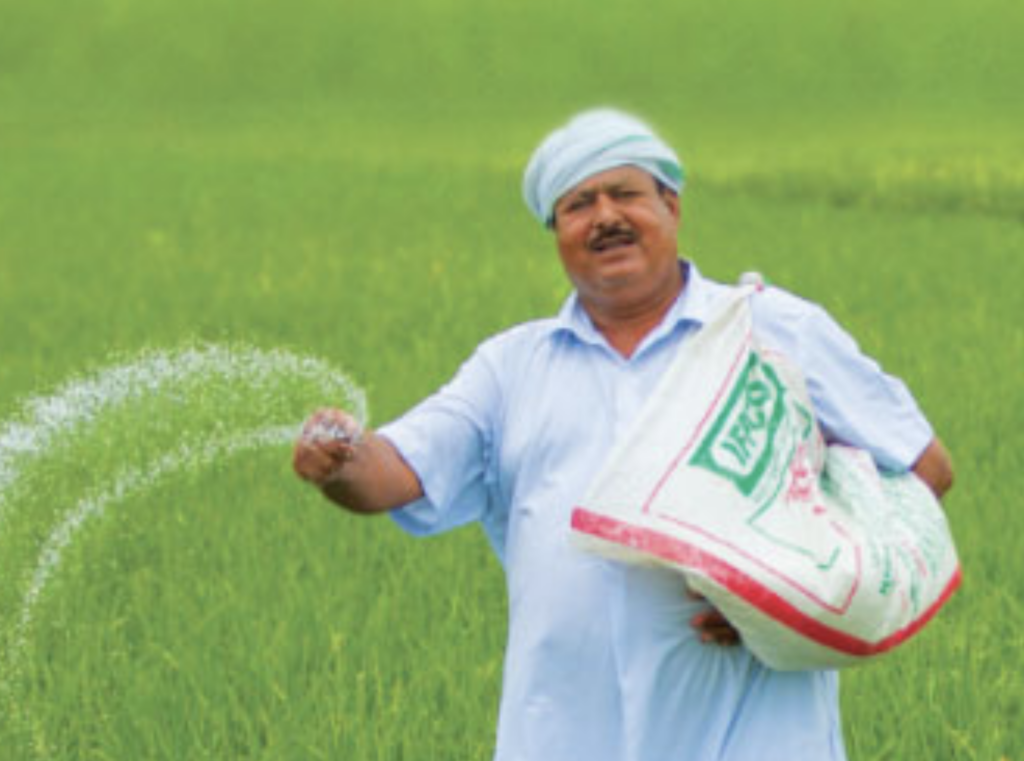
Fertiliser stocks are adequate and farmers will not face shortages, he added. “We are ensuring that all fertilisers are reaching the farmers, right up to their fields. Therefore, farmers will not face any problems, and we are significantly supporting agriculture with the help of the government.”
In the US, farmers have been sounding the alarm with spring planting set to start. But managers at grain co-op giant CHS are reported as saying they have 85% to 90% of product already in warehouses, with more rail cars in transit.
Meanwhile in Europe, Edward Carr, president of the Irish Co-operative Organisation Society, (Icos) has written to the Irish government to call for a comprehensive support package to reduce higher fuel and energy costs.
“The closure of the Strait of Hormuz is not only a threat to global energy security but equally threatens global food security,” said Carr.
Related: Irish co-ops apex expects ‘managed transition’ for dairy sector
“The Middle East region is a key player in the global fertiliser trade accounting for 30% of exports of all major fertilisers. Over one third of urea, one fifth of ammonia and ammoniated phosphate and half of the sulphur produced globally is exported through the Strait of Hormuz. In addition, volatility in global energy prices directly affects the production costs of fertiliser, particularly in Europe.
“We have seen significant pressure on fertiliser availability and cost in recent weeks, with average urea costs increasing by €200 per tonne and other fertilisers by €100-150 per tonne. In recent developments, fertiliser suppliers have been forced to withdraw their prices due to the significant market volatility.”
Carr warned Ireland is “exposed as a significant importer of fertiliser” and called for the immediate suspension of the Carbon Border Adjustment Mechanism (CBAM), which he said is “having a huge impact on cost and availability. For example, the price of CBAM on non-EU calcium, ammonium and nitrogen fertiliser is approximately €120 per tonne, which is a prohibitive cost.”
In the UK, a spokesperson for grain co-op Openfield told Co-op News: “The cost of urea, the most widely used nitrogen fertiliser, has risen by between 25% and 60% since the conflict began.
“This price volatility is something that we are keeping a close eye on and we will keep our members updated as and when required.”
In Spain, agri co-ops have met with national government, calling for measures to deal with increased costs and logistical difficulties.
As reported by Euro Meat News, Ángel Villafranca, president of Agri-food Cooperatives of Spain, called for controls on fuel speculation and an investigation by the National Markets and Competition Commission into possible anti-competitive practices.
Villafranca also wants to see strategic reserve planning implemented on fertilisers, for co-ops to have access to fertiliser advisors, and for the introduction of loans, guarantees and temporary tax reductions tailored to co-ops.
Related: Copa Cogeca condemns EU tariff concessions to Australia
The apex has requested measures to guarantee fertiliser supply, including the elimination of the CBAM levy and tariffs at European level, and direct aid to fertiliser-consuming producers who could be identified through field records.
The apex also wants to see the promotion of organic fertilisers of animal origin, especially those from biogas plants, which cannot be currently by marketed because they are restricted.
However, calls for deregulation and the rollback of CBAM have their critics, with Greenpeace claiming the term “food security” is being “hollowed out and weaponised” and warning against the crisis being used by business interests to roll back environmental protections.
“Food security isn’t something we can buy from a chemical factory in another country. It doesn’t come from trading off clean drinking water for more polluting production,” it said, calling for more “local, ecological farming”.
Agri co-ops are still sounding the alarm, however, with New Zealand dairy co-op Fonterra predicting a difficult second half of the year, as it reported first-half revenues of NZ$13.9bn.
“The conflict in the Middle East is having an impact on our supply chain,” said CEO Miles Hurrell, “and has the potential to increase Fonterra’s inventory levels and costs over the course of the second half of the year.
“There’s also the potential for further volatility in global commodity prices. ”
He added: “The conflict is a complex and dynamic situation that is changing daily, but we are confident that we’re on the right track to get product to customers.
“Our business is designed to manage volatility. Our scale and strong relationships with customers and logistics provider Kotahi will help us to navigate through these challenges better than most. With this in mind, we remain focused on delivering on our strategic targets.”
On the food retail side, New Zealand’s Foodstuffs grocery co-ops have said they are watching developments in the Middle East closely, but food supply remains stable and shelves well stocked.
“New Zealand sits at the end of global supply chains, so we’re always looking upstream and keeping an eye on international events that could have flow-on effects for us,” said managing director Chris Quin.
“A large proportion of our products are grown or manufactured locally in New Zealand or Australia, sourced from Asia, or travel from Europe around the Cape of Good Hope at the bottom of Africa. So, right now our grocery supplies are largely unaffected by the disruption in the Strait of Hormuz.
“The main issue at the moment is higher fuel, freight and packaging costs rather than product availability, We’ve seen the cost of diesel for our transport fleet rise significantly, but at this stage we’re absorbing that to help keep our food prices as steady as possible for customers.”
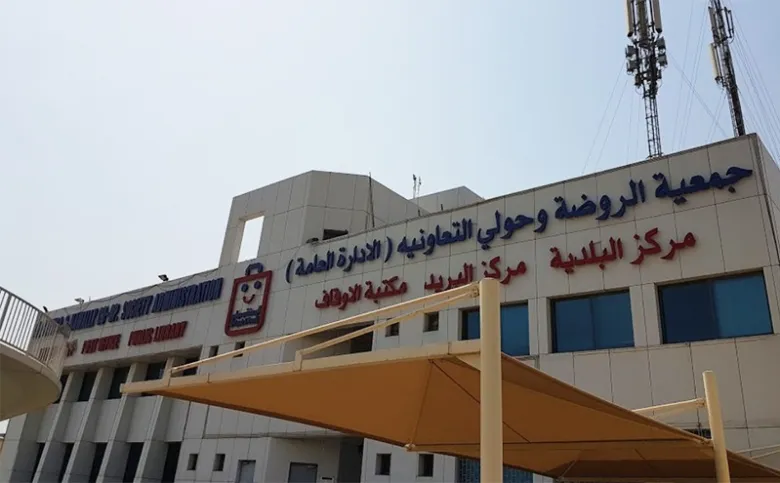
In Kuwait, the government said it is directly monitoring grocery co-ops to ensure the stable supply of goods. Ministers said emergency plans were in place and after inspections of stores, they confirmed there were enough basic goods and foodstuffs to meet consumer needs.
Related: Kuwaiti government rolls out digital surveillance of co-operatives
In the UAE, Union Coop said its supply system is operating normally and that strategic stocks of essential goods and consumer products are sufficient to meet demand for extended periods.
The co-op said it works alongside federal and local authorities to ensure steady supply, with proactive planning, close coordination with suppliers and continuous monitoring of market indicators and demand patterns.
CEO Mohamed Al Hashemi stressed the importance of local production to food security, adding that Union Coop continues to grow the amount of locally produced goods in its stores and is working to strengthen partnerships with domestic producers.
Main image: Workers unload urea fertiliser at Yantai Port in China (CFOTO/Future Publishing/Getty)