The world’s biggest cultural policy conference took place in Barcelona, Spain, at the end of September, with co-operatives making their voices heard at a side event.
Mondiacult, the World Conference on Cultural Policies and Sustainable Development, aims to establish culture as a stand-alone goal within the next UN development strategy.
The International Cooperative Alliance (ICA), which supports this initiative, wants indicators to include community participation, intergenerational knowledge transmission, cultural impact, and co-operative models, and be supported by enabling laws and innovative policies that foster intersectionality between co-ops, cultural heritage and the creative industries.
The ICA is working to position co-operatives in the global discussions and programmes that present culture as an indivisible aspect of sustainable development. As part of this, it hosted a side event during the conference, which showcased the role of co-operatives as dynamic cultural actors, arguing they are “indispensable partners in building a just, inclusive, and sustainable future”.
Organising in a co-op has already been recognised as intangible cultural heritage by the United Nations Educational, Scientific and Cultural Organization (Unesco).
Related: Co-operation inscribed into Unesco’s Intangible Cultural Heritage list
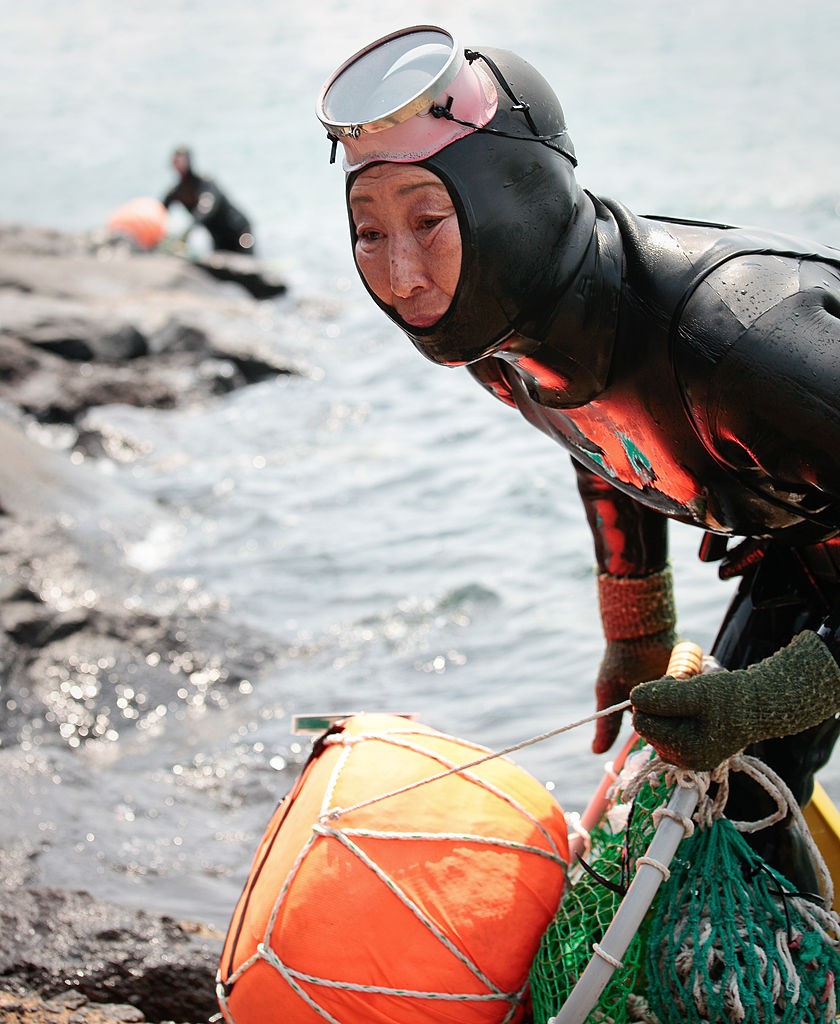
Traditions of diving and fishing, which are often protected by fisheries co-operatives in Jeju Islands in the Republic of Korea, were also inscribed in the Representative List of the Intangible Cultural Heritage. A Unesco World Heritage site, the Røros Mining Town and the Circumference in Norway have also been recognised for preserving traditional farming through co-operative systems.
Earlier this year, the ICA launched a working group on Cooperative Cultural Heritage, which is currently working on developing a first version of international standards of co-operative heritage. The standards will then be used to select 25 co-operative heritage sites which will be added, as a first list, to a digital world map being produced by the ICA with the support of the Organisation of Brazilian Cooperatives (OCB) and the National Cooperative Development Corporation of India.
“The Unesco recognition of the practice and idea of co-operatives as an intangible cultural heritage of humanity is a way of reminding us that our way of organising is a part of the history and present of people,” said ICA president Ariel Guarco. This, he argued, also gave co-ops a voice in the discussion.
“We are demonstrating every single day that we are very concrete vehicles for protecting cultural heritage,” he added.
“Culture is an essential pillar of democracy,” said Maravillas Rojo, president of Abacus co-operative, the event’s host. “We firmly believe that culture reflects society as humanity, a reflection of our diversity and can be a model of social transformation.”
Meanwhile Simel Esim, head of ILO Cooperative, Social and Solidarity Economy Unit and chair of the UNTFSSE, highlighted how the definition of co-operatives reflected in the ICA Co-operative Identity Statement and the ILO recommendation 193 refers to people coming together “to meet not only their economic and social needs, but also common cultural ones”.
“We see co-ops maintaining cultural traditions in art, crafts, food, architecture and promoting inclusive learning and supportive livelihoods linked to the creative care and community-based work,” she said, emphasising their role in crises.
Related: Singapore freelancers’ co-op joins campaign to have hawker culture recognised by Unesco
Esim said the ILO welcomed the ICA’s initiative to map co-operative heritage sites as living expressions of cultural identity, adding that the archives, museums, and heritage venues that are run co-operatively can help correct gaps and biases and share benefits from access and reuse.
Participants also made the point that culture should be accessible by all and that cultural assets should be democratically governed.
In many sectors, co-operatives are already playing a role, building essential cultural infrastructure, argued Giuseppe Guerini, president of Cooperatives Europe. Examples include Magnum Photos co-operative photography agency and Coop Route, a former transnational network for sustainable cultural tourism, managed by co-operatives.
Patxi Olabarria, president of the High Council of Basque Cooperatives and vice-president of UCOE (Spanish Cooperative Schools and High Schools), emphasised the role of educational co-ops in preserving Basque language and culture and supporting communities, through running schools and organising cultural activities.
And even though they have a long history and rich heritage, co-ops are alive and well, said Liz McIvor, manager at the Cooperative Heritage Trust in the UK.
“We can’t afford simply to be a mausoleum to something from the past,” she said. “Through the international co-operative identity, it is our aim to show culture for development and how co-operativism can work in the modern day, to promote culture.”
The trust is involved in a range of projects, added McIvor, from community gardens to international mural festivals and global co-operative partnerships, all of which help it link culture to sustainable development, particularly in the context of Rochdale being named Greater Manchester’s 2025 Town of Culture.
But while the Unesco Convention 2003 protects the idea of co-operatives, the sector should also benefit from a level playing field. The ICA’s director of legislation, Santosh Kumar, argued this could allow co-operatives to operate, thrive and include people and practices in the cultural sector.
So how can the current landscape be improved? Kumar said a first step has been taken with the co-operative heritage map, for which co-op movements around the world are able to nominate sites.
Another step, he says, would be for laws and policies to facilitate the creation of co-operatives in areas that protect elements of intangible and tangible cultural heritage.
The law should proactively facilitate this and law-making for co-operatives itself needs to be a co-constructed exercise with co-operatives and the lawmakers, he added, praising the Basque Country for leading in this area.
“The identity is indeed the sum of all our experiences, and all the experiences of co-operation need to be identified, recognised and then celebrated, and I think that’s what we’re doing today,” he said.
The event concluded with a call to action for Unesco and Mondiacult member states and international partners to embed co-operatives in global cultural goals, strengthen their role in heritage and creative sectors, involve them in Unesco policymaking, support co-operative education, and promote legal frameworks that enable their development.