An ambitious share offer in support of communities aiming to save their local assets is off to a flying start.
Over £25,000 has already been raised as Icof Community Capital (ICC) aims to reach a £600,000 target to expand its revolving loan fund for co-ops and community businesses that often struggle to access mainstream funding.
One of the UK’s most established social investment funds, ICC is using the online ethical investment platform Ethex to widen its reach to new investors.
Trading as Co-operative and Community Finance (CCF), the fund has helped save and strengthen dozens of local assets over the years, from village pubs and community shops to grassroots sports clubs and youth organisations.
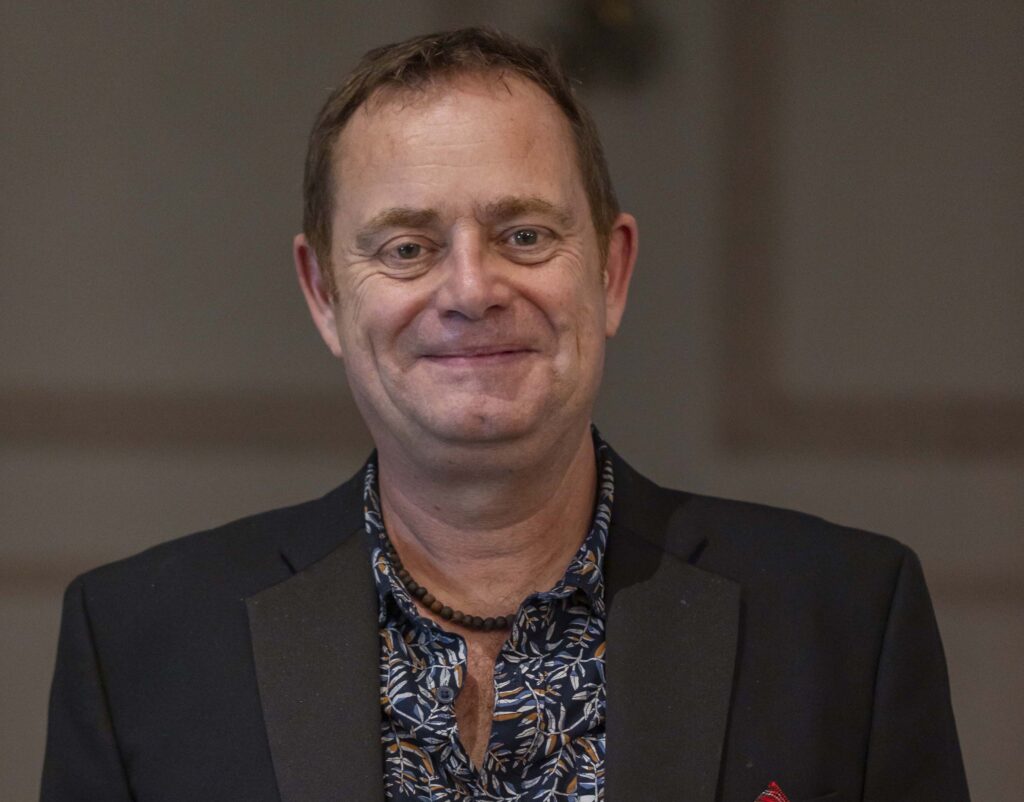
Alain Demontoux, operations and FCA adviser, has been involved in the co-op sector for over 35 years – 25 of them at CCF.
“The organisation has had an open share offer all this time without really advertising it,” he says, “but we are now at a point where we need to refinance and help more communities save their assets. It’s exciting we are doing this now as it’s the first relaunch since we began.”
Icof (Industrial Common Ownership Finance Ltd) was set up in 1973, specifically for worker co-ops, but later branched out into other areas where communities needed help with a ‘family’ of different funds.
“We saw a need for raising finance,” says Demontoux, “particularly for communities wanting to secure assets like pubs, shops and leisure centres. So in 1994, Icof Community Capital was set up specifically for co-op and community businesses.”
Main photo: Clapton FC, in East London, is 100% fan-owned and operated thanks to £177,000 in loans
Initially, £300,000 was raised, a sum that has been lent and re-lent 10 times over.
“Our revolving loan pot at the end of 2025 was £940,000,” adds Demontoux, “which has allowed us to invest a total of £4.4m in the form of 100 loans to 85 organisations. Increasing this pot to over £1.4m will allow us to provide 60% more loans over the next two years.”
ICC’s success stories are many. Most recently, they include the Fox and Hounds pub at Denmead in Hampshire, which had closed for two years before re-opening as a going concern at a time when pubs were closing daily.
Related: Community right to buy announced as part of English Devolution Bill
A loan of £35,000 from ICC in 2022 was the last piece of the financial jigsaw that enabled the community of Kingsley Holt in Staffordshire to save a former Methodist chapel from property developers and take it into community ownership and control as a community hub with a shop, café and activity space.
In 2019, funding of £77,000 from ICC supported Hopian in Rotherham, which helps adults and young people who are victims of domestic abuse and exploitation, buy their high street premises.
Over 120 community shops have been saved by ICC, including one at Slaley, six miles from Hexham in the North Pennines, now a community benefit society with 170 members and 60 volunteers.
Clapton Football Club, in East London, is 100% fan-owned and operated thanks to £177,000 in loans which enabled members to buy their historic ground, purchase an adjacent warehouse, create jobs and attract over 1,500 members worldwide, supporting 10 teams and over 100 players.
All this is pretty inspiring stuff in a sector where, historically, access to finance has been one of the biggest barriers to communities. Other government initiatives like Community Investment Tax Relief (CITR) offer an added incentive to investors, all of whom are eligible for this option.
“The unique nature of CITR, which was set up by the government to encourage community investment finance initiatives, is that it gives investors – on top of the projected interest, which is modelled between 3 and 5% – an extra 5% for the next five years as tax relief on the investment,” says Demontoux. “So if someone invests £10,000 that’s £500 tax relief a year which is pretty significant.”
Another boost to local communities seeking to save much-loved sites has been the Assets of Community Value regulations, establishing a legal framework allowing communities to nominate and bid for land or buildings of importance. Of ICC’s current portfolio, some 71% saved a local asset from closure or demolition – two-thirds listed as ACVs.
With a minimum investment of £250 the latest share offer is both affordable and accessible; the deadline is 31 May.
Related: Eco-friendly housing co-op gains funding from CCF and Co-op Loan Fund
Overall, says Demontoux, the picture is a positive one but he believes the Labour government could do more to fulfil its pledge of doubling the co-op economy.
“It’s an aspiration,” he adds, “and it is good to be launching this in a positive environment – but what we need and what the Labour government did in previous decades was more investment in co-op development workers. That is still lacking.
“There is a lot of lip service paid to it and a lot of talk about organisations like the British Business Bank, which takes money from unclaimed assets. But show us the money is what we would ask.”
He says there are many projects which would benefit from a government kick-start – pointing to Organised Kaos, a West Wales community business where all profits are invested in a circus skills training school.
“The impact they are having with young people is incredible,” he adds. “For many grassroots organisations, we are the last brick in the wall, and we have an important part to play in giving other investors confidence.”
Resilience is another factor in the mix. According to the Co-operative and Mutual Economy 2025 report, co-ops are more than twice as likely to survive beyond five years as conventional businesses, while community-owned enterprises play a critical role in tackling regional inequality, strengthening local economies and supporting social cohesion – even at the worst of times.
“Some 40% of our portfolio was pubs; we thought Covid would close them, but people just pivoted to being really responsive to the needs of their communities, doing things like cooking hot meals and providing other services.
“We rang every single borrower during Covid and asked them, ‘What do you want?’ We did not lose one because we had a special relationship supporting them and their local economy.”
Another potential global financial crisis is looming as the war in Iran continues, with energy prices soaring – which means the outlook remains challenging.
“I think what is happening is already having an economic impact,” says Demontoux, “but co-ops are resilient. We have been riding an economic wild horse since 2008, and really, if you look at our loss rate, it is less than 6% over 32 years.
“A lot of our current investors have been with us for 30 years. We needed to broaden our reach. Ethex is known for supporting renewables like wind and solar; it’s exposing us to a brand new market of investors.”
About £25,000 has been raised so far, just a few weeks into the offer.
“Our approach is now considered fundamental to regeneration,” adds Demontoux, “helping address disadvantage and combating social exclusion. For me, the ethics, ethos and democracy of co-operatives have always been the most important factors in business. Integrity and transparency are key.
“We are reintroducing ourselves to a new market and becoming more and more relevant as a kickback to rapacious capitalism. The fundamentals of the Rochdale Pioneers are still there, and that’s where we have been since 1973.”
The 2026 ICC share offer aims to raise £500,000 by 31 May. Find out more at coopfinance.coop/invest