Main image: From left, Colin Dixon-Blair, Colchester Kings founder and chair Samuel Biscoe, and East of England Co-op CEO Andy Rigby (Image: Warren Page/East of England Co-op)
Every June, Pride Month celebrates the LGBTQ+ community and commemorates the 1969 Stonewall Riots in New York City. It is a globally recognised month of advocacy, historical reflection, and vibrant celebration – and one that some co-operatives support.
OurCoop, for example, has been spotlighting its 2026 Pride travel collection, curating a series of trips that help customers experience Pride in destinations across Europe and beyond.
In June, we spoke with Colin Dixon-Blair, chief people officer at East of England Co-op. “I believe all organisations have a role to play in creating environments where people feel they belong,” he says, “and as someone who is part of the LGBTQ+ community, that’s something I feel personally as well as professionally.”
Belonging is a fundamental part of the Pride movement, but for Dixon-Blair, this “can be multifaceted”.
“That feeling of being somewhere or walking into a room and thinking ‘I don’t quite fit in here’ can be truly terrifying,” he says. “Conversely, when the environment is right, that sense and feeling of belonging can be very powerful indeed for individuals and communities alike.
“It’s the feeling you get when you walk into a space and know you don’t have to edit yourself. It’s being listened to, included in conversations, treated with respect and knowing that who you are is welcomed rather than simply tolerated.”
For him, the workplace is a place he has found a strong sense of belonging. “I’ve been fortunate to work in a number of organisations throughout my career, but there’s something different about working for a co-operative. East of England Co-op exists because of people and communities.”
Dixon-Blair believes that being owned by members and rooted in communities creates a different sense of responsibility within co-ops.
“Decisions aren’t just about commercial outcomes,” he adds, “they’re about the impact we have on colleagues, members, customers and communities – and for me, that makes inclusion feel less like a separate agenda and more like an expression of who we are.
“If we genuinely believe in fairness, equality and community, then creating places where people feel accepted, valued and able to be themselves naturally follows.”
Related … Exiled for Existing: Co-op film shares LGBTQ+ stories from refugees
Dixon-Blair says there have been moments in his life and career where he didn’t feel that sense of belonging. “I remember how my football teammates’ attitudes changed towards me when I came out as a gay man to the point that I had to walk away from doing something I truly loved (and was rather good at!). Or being overlooked for a career opportunity when diversity was explained to me as simply being either male or female, when it is far broader than simply that. Those experiences stay with you, and they shape your understanding of why belonging matters.”
At East of England, Dixon-Blair says, belonging is built through everyday experiences.
“As an organisation, our responsibility is to create the conditions for that to happen. That means listening carefully, creating opportunities for people to share their experiences and making sure our culture, policies and practices support people to thrive. For our colleagues, that means listening to feedback, creating opportunities for people to share their experiences and acting on what we hear.
“As a co-operative, it also extends into the communities we serve. Through partnerships with organisations such as Outreach Youth, the National Centre for Writing’s A Life Written programme and Colchester Kings [East Anglia’s first gay and inclusive rugby team, which East of England sponsors], we’ve seen the impact that safe, welcoming and connected communities can have on people’s lives.”
For him personally, it means leading with openness. “When leaders are willing to share their own experiences, it gives others permission to do the same.”
The organisation’s people policies are designed to be inclusive and reflect the diverse experiences of colleagues. Dixon-Blair gives the example of its standalone Dignity at Work policy, supported by mandatory learning for colleagues, which sets a clear expectation that everyone should be treated with dignity and respect and gives colleagues confidence that inappropriate behaviour will be challenged.
“We’ve also taken steps to ensure our policies and processes are as inclusive as possible, including reviewing language and guidance to better reflect the diverse experiences and identities of our colleagues,” Dixon-Blair adds.
“That said, if there’s one thing I’ve learned, it’s that policies alone don’t create belonging.
“Policies matter because they set expectations, provide support and give people confidence that they will be treated fairly. The aim is always to create an environment where everyone feels respected, valued and able to contribute fully. That’s true for LGBTQ+ colleagues, but it’s also true for everyone who works in our co-operative.”
Allyship is also encouraged – but, says Dixon-Blair, is “often misunderstood as something that must be big or symbolic … In reality, the most meaningful allyship usually happens in small everyday moments. It’s taking the time to listen. It’s challenging assumptions. It’s checking in with a colleague. It’s creating space for someone else’s voice to be heard.”
Over the past year, East of England has been creating more spaces for colleagues to learn from one another and share different experiences, such as Lunch & Learn sessions, sharing colleague stories, community partnerships and the launch of new colleague networks.
“One example I’m proud of is our recently launched Women’s Network. Whilst it exists to create connection and support for women across our co-op, it has also been encouraging to see colleagues step forward as allies.
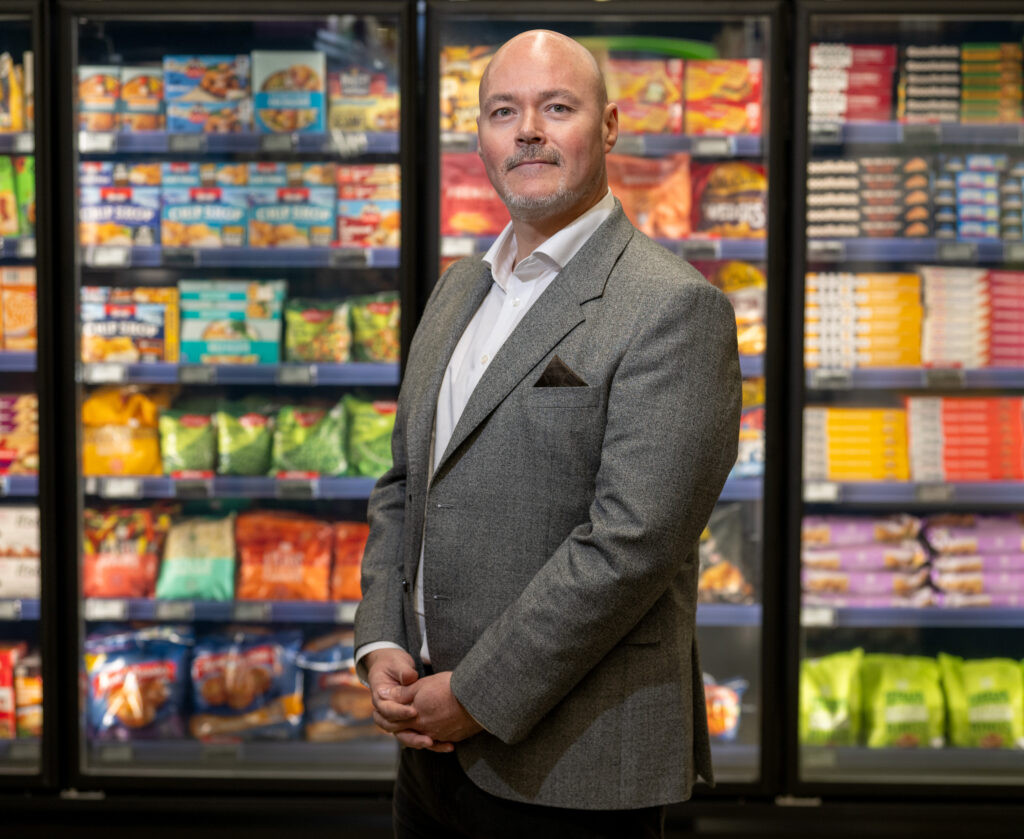
“James Norman, our chief financial officer, has become the network’s executive sponsor, demonstrating that inclusion is something all leaders have a role in supporting. We’re planning to build a number of communities using this same model of allyship and senior support.”
This Pride Month, the organisation has been supporting local LGBTQ+ charity The OutHouse by purchasing Pride pins that colleagues can choose to wear. “It’s a small gesture, but one that allows colleagues to visibly show allyship and support while helping fund an organisation doing important work in our communities.”
Dixon-Blair thinks co-ops have a different approach to inclusion because of the values at the heart of the co-operative movement.
“The principles of equality, equity and solidarity aren’t separate from inclusion,” he says, “they’re deeply connected to it. They speak to the idea that everybody matters and that everyone deserves the opportunity to participate and belong.
“At East of England, we’ve been reflecting on what that means in practice. A couple of years ago, colleague feedback challenged us to think more deeply about how we show up for one another every day. That feedback helped shape the introduction of Respect for the Individual as one of our core values.”
The fact that the society is owned by members and rooted in communities means its responsibility extends beyond its own walls, Dixon-Blair adds. “We have an opportunity to help create places where people feel connected, valued and respected.
“At its heart, Pride is about visibility, acceptance and belonging. Those same ideas sit naturally alongside co-operative values and our commitment to Respect for the Individual. Both are ultimately about creating places where people feel they belong.”