East of England has announced a trading profit of £2m for the year to 24 January, up from £1m the previous year.
Turnover fell £17.9m to £367.8m, and pre-tax profit was down £1.2m to £2.6m. Members’ funds rose £1.1m to £230.7m.
The retailer says it has also reduced carbon emissions by 25%, and supported 775 community groups and local charities through its community programmes, winning it the title Community Retailer of the Year – Multiple at the Retail Industry Awards.
Investments saw it open its first fully cashless store at Ipswich Train Station (pictured) – recognised as one of 25 ‘stores of future’ worldwide by Institute of Grocery Distribution (IGD).
The society adds that it introduced a range of new benefits and invested in high quality targeted learning and training for its 3,000+ colleagues.
Against a tough backdrop for the retail sector, the society has worked to strengthen its retail estate, opening five new food stores and two new travel branches. But five other food stores to other businesses, with staff transferred.
In October, East of England completed the sale of its Walberswick Food store to local residents of the village. This had been saved from closure by East of England in 2012, and CEO Andy Rigby said: “We’re pleased to have now been able to hand this store back to its local community”.
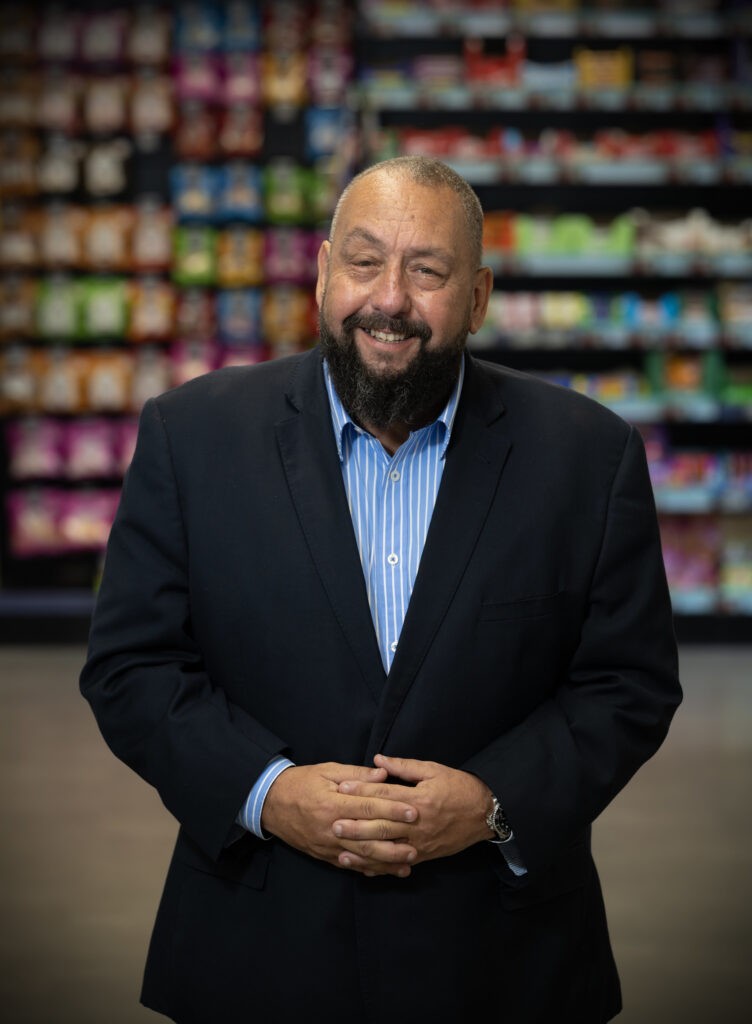
Rigby wrote in the report that last year saw the impact on supplies of the cyber attack on the Co-op Group. “However, our incredible local suppliers and colleagues came together brilliantly to minimise the impact to our customers. The way we weathered this storm to deliver a 100% increase in profit is testament to our resilience. We’re a proudly independent local retailer, deeply committed to serving communities in the place we call home, the East of England.”
Related: Scotmid defies supply chain issues to grow sales to £432m
Chief finance officer James Norman added: “We’re operating in a difficult retail trading environment. This is a nationwide challenge driven by rising operating costs in areas such as business rates, employment costs and energy prices as well as global economic uncertainty.
“We’ve worked hard this year to offset these challenges with measures such as careful investment in our property portfolio and a continued strategic focus on the right products in our food business.”
Addressing the retailer’s significant fall in emissions, Rigby said: “Thanks to carefully planned and executed sustainability measures, which are integrated into every part of our business, we’re proud to have achieved an outstanding 25% fall in tCO2e emissions.”
Of the society’s community retailer award, he added: “Making a difference in our communities is who we are and it’s what we’ve been doing for over 155 years. This year we’ve been able to support 775 community groups and local charities through our community programmes. I’m particularly proud of how we’re able to support causes that are hyper-local to our stores. Through Local Giving, in which our colleagues are empowered to fundraise for local charities of their choice, we were able to donate over £120,000 to local charities.
Related: Not just a shop: A day with East of England Co-op
“Our Community Cares Fund, established in 2020, continues to award grants to life changing local projects addressing community cohesion and integration. We were proud to award 73 of these grants this year.”
Addressing the co-op’s plans to maintain its profit growth, he said: “The strategy we’re following is working and we’re going to keep focusing our investment where we see the greatest long-term impact. This includes supporting new store openings, further investment in our existing sites, and bringing forward new innovative business ventures.”
Looking ahead to the rest of 2026, Rigby said: “A key priority for us next year will be expanding and evolving our membership proposition, focusing on delivering a more personalised offer that truly benefits our current members as well as attracting new ones.”
Last year’s troubles have had repercussions for the wider co-op retail sector, with Chelmsford Star and Midcounties merging with Central to form OurCoop, and Southern, after continued losses, forced to seek a merger with the Co-op Group. Other societies have weathered the tough retail environment with income from their property portfolios.
“I think each co-op has had a different approach,” Rigby told Co-op News, “and we very much see it as still making money on our retail. We’re very much focused on ensuring that we reshape our trading portfolio and our business portfolio. We’ve taken difficult decisions to find areas where can grow – our focus is still on our food business but we’re also looking at ways to build our resilience.”
Part of the response, he added, means differentiating the society’s food offer, with an emphasis on fresh, healthy foods to follow customer trends. This came alongside “difficult decisions with our store portfolio, with new stores in strong areas and the sale of underperforming ones – decisions which are paying dividends”, he said.
Diversification to de-risk the reliance on food retail will help the protect the business, added Rigby. “There are a lot of opportunities we are exploring. We’re potentially looking at medical and care, and exploring other opportunities that will help broaden our trading area in a way that suits the co-op model.
“We’ve put our forecourt business on the market, we’ve been looking at sustainability and the environmental challenges of that, and we’re looking to reinvest into other areas of growth.
“We’ve reshaped our property portfolio to support our trading portfolio and vice versa, and we hope that will serve our independent co-op for next 150 years.”
One point of difference for East of England is its work with local suppliers – which, says Rigby, also helped the society cope with the fallout from the Group’s cyber attack. Others in the co-op movement, including farm co-op apex SAOS at its annual conference, and the Co-op Party and Co-op Group in a report released this week, argue that building co-op supply networks and local routes to market will also improve the UK’s food security.
Trade disruptions from the Iran war have heightened concerns over food security but, said Rigby: “This might cause problems 10-12 months from now but it’s not affecting us yet. It’s longer term, with the knock-on from fertiliser shortages. There’s no immediate concerns on food.”
But, he added, the society’s work with local suppliers is part of the way East of England has “proudly served our communities for 155 years.
“Growth for us isn’t just financial, it’s about growing in a way that benefits our communities. Our unique selling point is that we are a local, community-based, indpendent society that supports our communities and residents.
“How we can foster relations with our suppliers is very important – also in terms of sustainability when you look at mileage saved and the benefits of supporting the local economy. In this part of the country there is a lot of local produce we can benefit from. It’s something we want to build on, we have good relationships with [local farms] Fairfields and Fiveways, and we’re very supportive of that route to market.”
Also important, he added, is the society’s own team. “I’d like to say how proud I am of our 3,000 colleagues. I’ve been in retail since I was 14 and last year was the toughest I’ve ever seen. Our people are our greatest asset and a point of difference for us.”