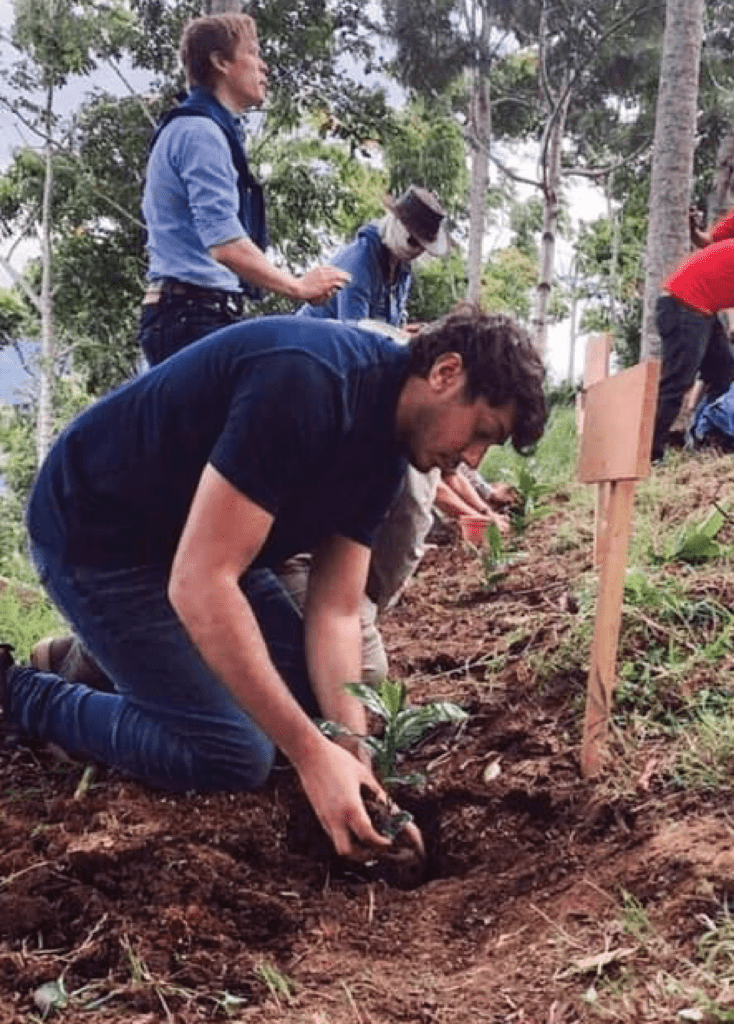
It has been over 14 years since Paul Birch (pictured) branched out from making records to making life a lot better for people across the world via Fairtrade produce.
Revolver Records, the indie music label he founded almost 50 years ago, is still very much in business, with a back catalogue running to thousands of titles and new albums from legendary crooner Tony Christie and Spandau Ballet’s Tony Hadley. But since 2011, its ever-expanding sister organisation, Revolver Co-operative, has transformed thousands of lives thanks to its range of Fairtrade tea and coffee, and other ethical products.
“When we started, we had just two coffees,” says Birch. “Since then, we have developed about 45 products, have five different teas and are currently sitting on a combined 18 tons of Malawi tea and coffee waiting to be packaged.”
Revolver is a multi-stakeholder co-op, owned by around 500 consumers; UK retail societies including Heart of England, Central and Midcounties; a producer co-op with around 25,000 farmer members in Costa Rica, Honduras and Malawi; and a staff-owned worker co-op.
Revolver products are available to buy online, from smaller worker-co-ops such as Unicorn in Manchester, to UK retail societies such as Central and Midcounties – and there are plans to expand this to all retail societies in the country.
“Our AGM in September – which is likely to be held during Fairtrade Fortnight – will include more information about our future plans to expand,” says Birch. “Since 2014, we have been making our products available in Midcounties supermarkets and continue to have a great relationship. We built a café with them in Swindon about five years ago and more are planned. We are now in Central stores with plans to expand into the stores acquired in the merger with Chelmsford Star. Midcounties stock our Malawi range in their food markets, and there’s a wider distribution of our products into their estate.”
Related: Revolver Co-op named UK’s highest scoring B Corporation
For the UN’s International Year of Cooperatives, Revolver is engaging in public health advocacy in communities where its products are sourced – specifically Malawi, where Central Co-op has pioneered new trading opportunities via its Our Malawi Partnership.
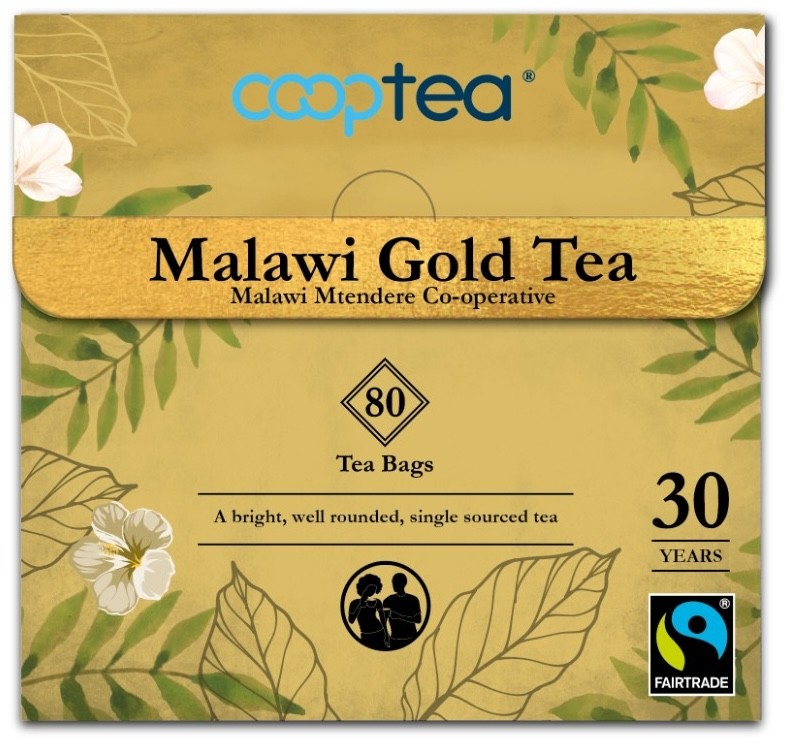
“Last year we launched a new range of tea which is going from strength to strength, largely as a result of Central’s then-president Jane Avery and CEO Debbie Robinson (who also chairs the new Fund for International Co-operative Development) asking us to engage with the project,” says Birch, highlighting how Malawi is one of the 44 economies designated by the United Nations as the least developed countries (LDCs) – and currently seventh poorest in the world.
“The average income in Malawi is between US$1 and$1.50 a day. It’s incredibly impoverished. In January, we arranged an event in the UK parliament for tea producers from Malawi, attended by all the big tea brands. In the year ahead, we plan to work with communities in the Thylo region in the south, where our tea is drawn from the Mtendere Co-op (a predominantly women-run group), and the northern and central mountainous regions in the north, on the border of Tanzania, where we work with the Mzuzu Coffee Co-op.”
Revolver plans to support vaccination projects in both regions – principally the HPV vaccine, as Africa has the highest incidence of preventable deaths of cervical cancer.
“There’s been a general downturn in the take-up of vaccines post-Covid as a consequence of conspiracy theories, where certain communities are taken in by anti-vax rhetoric,” says Birch, describing how Malawi relies on public health workers to encourage women to take the vaccine.
“Mafeco – the Malawi Federation of Co-operatives – also recently asked us to intervene in men’s health, pressing on them the necessity to receive prostate examinations and get the PSA test for prostate cancer.
“Our part is to bring people together and encourage education. We are working with the Malawi High Commission, and if we can help prevent preventable deaths, that’s the best any of us can hope for.”
Revolver is planning to invest several thousand pounds in the project – and if it’s successful, to speak with other potential partners such as Central and the International Cooperative Alliance (ICA) to develop a full three to five-year project, potentially extended further.
The organisation is also hoping to formally join the ICA as a way of forging even closer bonds with the international co-op community. “We are hoping to convince [the ICA] to introduce a new tier of membership for smaller societies so we can register and contribute,” says Birch.
As the UK’s highest-scoring B-Corp, Revolver has official status as best of 3,000 in the UK, verified by B Lab as meeting rigorous standards of social and environmental performance, accountability, and transparency. Evaluations take place every three years.
“B-corps found a way of certifying themselves through a process that fixes a score, and those organisations are re-tested every three years,” says Birch. “It works because companies want to beat their previous score; it’s also a way of increasing interaction in terms of our environmental and community contract. If you compare co-ops and B-corps, co-ops have had a lot of their clothes stolen.”
Revolver’s other major projects in the near future include expanding into Matcha tea, instant coffee capsules, cocoa and chocolate bars. Longer-term, there are plans for canned soft drinks and possibly wine.
Perhaps the most ambitious project of all is the Revolver Foundation, which aims to benefit all areas of life in producer countries, from education to health and economic self-sufficiency in areas where forced labour and low wages are still all too common.
“The Foundation is still in its early days,” says Birch, “but we are optimistic because those who first championed Fairtrade years ago knew the world could be a fairer place. It’s about consumers making an informed decision, in order that people creating this stuff are recognised for the hard work they do, so they can live their best lives through the programmes we deliver.
“That’s the reason why we are specific on our packaging about which co-op it is from and talk about who they are. It’s about the co-op difference and all that means, working off smaller profit margins. Ultimately, consumers reward you for not only putting the best product on the shelf, but doing the right thing.”