Lough Neagh Fishermen’s Co-operative has been forced to suspend eel fishing this year. It hopes to resume next year, but severe pollution of Europe’s largest freshwater lake is putting its future at risk. The pollution is causing a range of problems, of which the health of eels is just one.
Degraded water standards in Lough Neagh have meant that the fished eels are not of sufficient quality, size and suitability for the premium European markets into which they are sold.
The co-op’s chief executive and chairperson, Kathleen McBride, explained: “At the start of May 2025, the traditional commencement of the brown eel fishing season, LNFCS [Lough Neagh Fishermen’s Co-operative Society] took the unprecedented decision to temporarily suspend eel fishing. Regrettably, following a number of sample tests during the summer and further recent feedback from the markets, an informed decision has been made by the society to close the brown eel fishing for the 2025 season.
“It is hoped that by discontinuing fishing this year, long-term it will protect the sustainability of the species and help to address concerns over the recovery of our prestigious market. This decision was not made without due consideration. LNFCS are aware of the major impact this will have on fishers, their families and the wider community around Lough Neagh. As a commercial industry on Lough Neagh, unfortunately the sector is a casualty of significant environmental change within the Lough.
“Finally, LNFCS will continue to work collaboratively with DAERA [Northern Ireland’s Department of Agriculture, Environment and Rural Affairs] to attempt to find a solution which will assist all those adversely affected by the closure of the 2025 eel fishing season on Lough Neagh.”
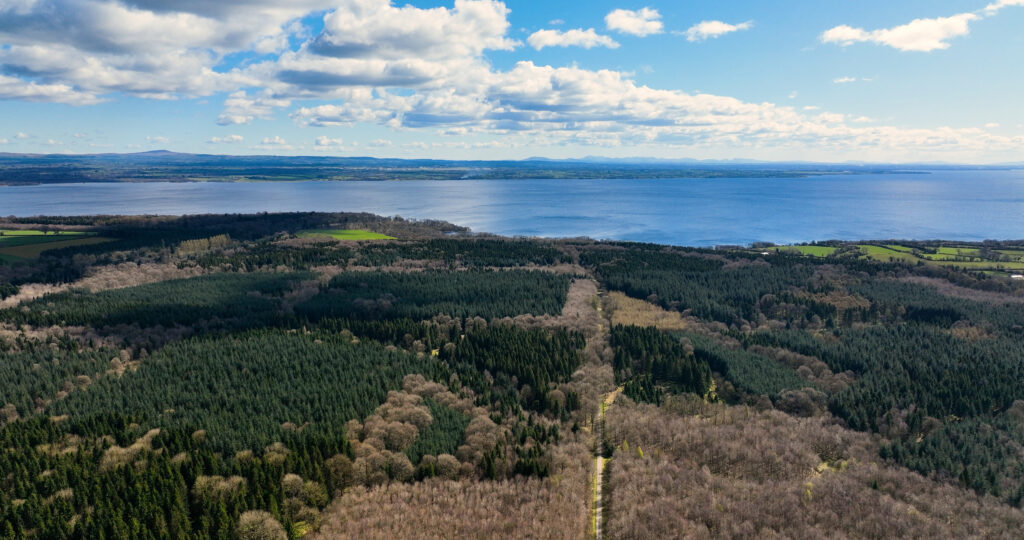
In May of this year, representatives of Lough Neagh Fishermen’s Co-op told a Northern Ireland Assembly committee that an Eel Management Plan introduced in 2009 had become outdated because of the severe pollution to Lough Neagh. They explained that they needed “meaningful engagement” with DAERA urgently to update the plan. Without this, re-establishing a presence in European markets will become increasingly difficult.
Committee members were told by the co-op that the once high-quality, high-fat-content European eels in Lough Neagh have deteriorated as a result of several factors that include the colonisation of the waters by non-native zebra mussels and the collapse of the fly and larvae population – an essential source of food for eels – as well as the pollution of the Lough.
Water quality at Lough Neagh has become extremely poor, with high levels of toxic algae creating a blue-green surface in the summer months, leading to health warnings for swimmers, dog walkers and others. The pollution is the result of sewage discharge from publicly owned Northern Ireland Water, as well as high levels of nitrogen and phosphorus in the fertiliser and slurry run-off from the farms operating on the banks of the Lough.
Related: NI fishing co-op blames environmental problems for suspended catch
The result is not just a disaster for the eel fishing co-op, with Friends of the Earth saying the pollution is killing off fish, birds and insects in what it describes as “one of Northern Ireland’s most precious wildlife sites”. The Lough provides 40% of Northern Ireland’s household drinking water, raising further concerns.
A proposal from Northern Ireland agriculture and environment minister, Andrew Muir of the Alliance Party, to introduce an updated Lough Neagh Nutrients Action Programme to urgently reduce the pollution was rejected in the Stormont Assembly. Members of the Democratic Unionist, Sinn Fein, Ulster Unionist and Traditional Unionist parties rejected this in favour of an approach involving “genuine partnership [with farmers], rather than punitive policies that risk the viability of our agri-food industry”, as well as a greater focus on sewage water discharges. The influential Ulster Farmers’ Union had opposed the Nutrients Action Programme. An MP for the Democratic Unionist Party, Carla Lockhart, claimed the programme with a two-year deadline to move to more sustainable agricultural practices, was going “too far, too soon”. An earlier version of the NAP, in 2007, had led to improved water quality in Lough Neagh.
Related: Ecology co-op launched to boost wildlife around Wrexham industrial estate
This is not the first time that the Lough Neagh co-op has had difficulties, with previous concerns about the welfare of the eel population following a decline in their population. While in 1977 some 19 million young eels – called elvers – arrived in Lough Neath each year, the numbers halved in just seven years and fell further to around 700,000. The co-op responded by importing additional numbers from England. This practice is no longer possible as a result of Brexit and the Windsor Framework, which treats Northern Ireland as part of the European Union for many purposes related to food and farming. This also prevents Lough Neagh eels being sold into the Great Britain market.
The Lough Neagh Eel Fishermen’s Co-operative was established in 1965 by Belfast priest, Father Oliver Plunkett Kennedy. In this, he was following a long church tradition, with eel fishing in the Lough having originally been established by a monastery as a source of food and also oil for lamps. While the Co-op has acquired fishing rights, the Lough itself remains in the ownership of Shaftesbury family and the present day Earl of Shaftesbury, Nicholas Ashley-Cooper.