provides valuable lessons on the factors impacting the success and failure of co-op enterprises, drawing on the experience of Patagonia’s first co-operative society, which was set up by Welsh immigrants in 1885.
Published by InterCoop, the book explores factors that contributed to the initial success of the Chubut Mercantile Company (CMC), as well as those that led to its decline. It traces the history of Welsh settlers in Patagonia, who became interested in the co-operative model as an alternative to the prevailing commercial practices.
As commercial relationships with local merchants started deteriorating, they set up a co-op for the joint delivery of wheat, the region’s currency at the time, which was exchanged for money and merchandise. The book argues the origin of the company can be considered a useful lesson, “since it emerged not as a result of reasoning but out of pure necessity”.
The co-op was officially launched on 25 May 1885, after the ratification of its statues, which laid the grounds for it to be governed democratically by a board of 12 members elected by an assembly. In addition to the board, which had a two-year mandate, the co-op would also have a designated president and vice-president, two internal auditors with a yearlong mandate and a general manager, whose position was held for three years.
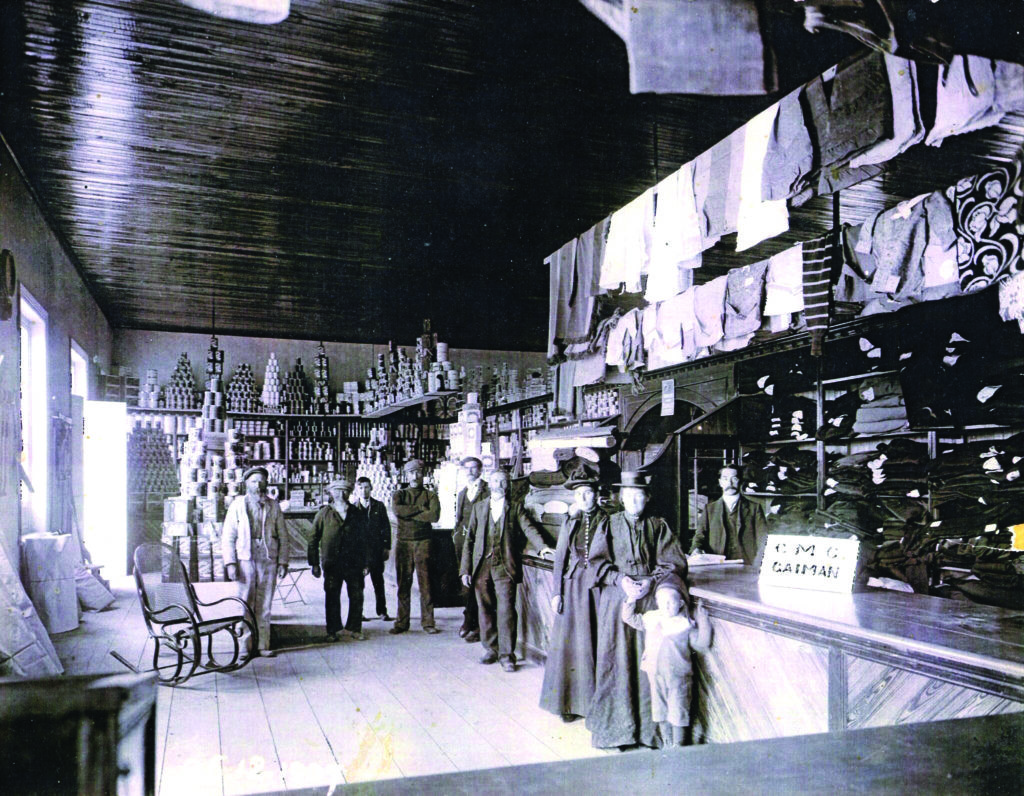
Members contributed a total of £10,000 (the equivalent of 50,000 gold pesos), in shares of £1 each with an interest of 7% due to be paid on the shares, and the surplus was distributed among the members according to their annual purchases. Furthermore, the statue set a maximum profit margin of 10% on products sold.
The book explains how at first the co-op rented a fleet of three ships, focusing on transporting wheat from Rawson to Buenos Aires and bringing in a range of products not only from Argentina, but also from Europe and North America. Early challenges included buying and operating sailing boats despite lacking experience in maritime commerce. Another hurdle was writing the statues since there were no specific regulations for co-operative entities in Argentina until the Commercial Code of 1889.
Despite these initial obstacles, the co-op continued to grow, becoming the most important company in the Chubut Valley and gradually expanded its influence to the rest of the Chubut Territory. It opened two small slaughterhouses, two dairy processing plants and a sheep farm and started acting as an agent for international agricultural machinery and veterinary products companies and the Ford Motor Company.
Related: Book launch for a centenary history of the UK Co-op College
In addition, the co-op was a credit agency and promoted the collective acquisition of agricultural machinery. Meanwhile members – including women and young people – were actively participating in the co-op’s AGMs.
Despite its initial success, by 1889 the co-op was beginning to publish advertisements in the Welsh weekly newspaper, urging settlers to become members and acquire more shares. The limit of 10% of maximum profit was also leading to disagreements between members.
“Although some members of the board considered this a clear limitation, others believed that the limit of 10% of maximum profit that the producer could obtain on the sale of their products, together with the decapitalisation during times of crisis, were factors that contributed to the decline of the company,” explains the book.
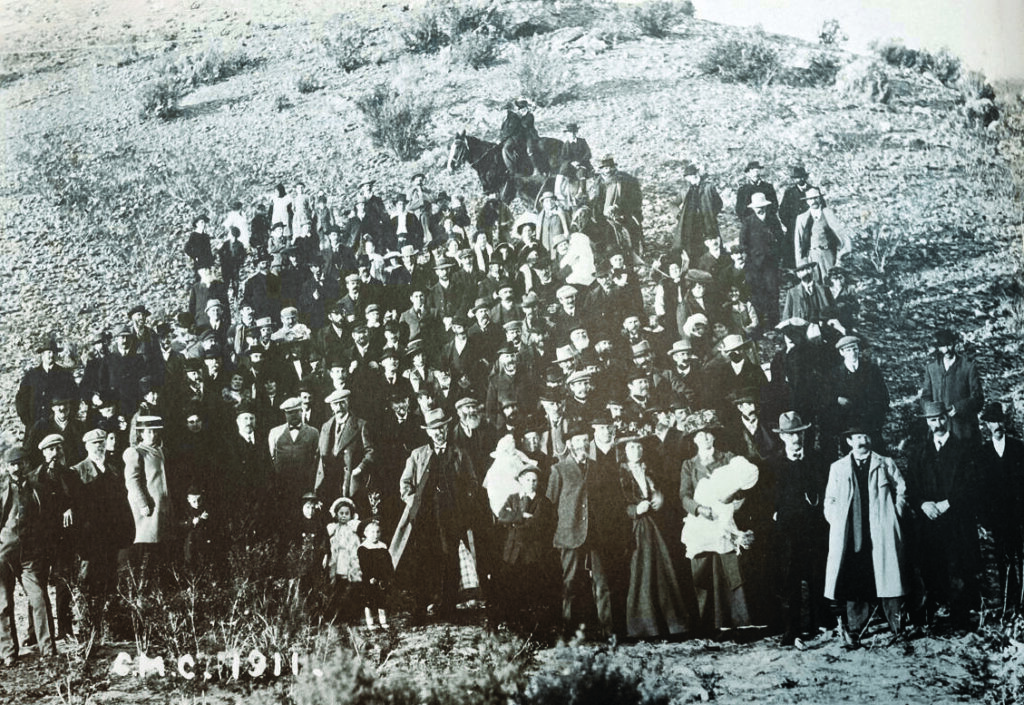
The co-op was also involved in the global co-operative movement, with Reverend Rhys, one of the founders and the secretary of the CMC, being the only person from Argentina present at the founding and first congress of the International Co-operative Alliance in London in 1895.
“He represented the province of Chubut, where at the time the CMC was the only existing co-operative,” says author Mirta Vuotto, a researcher at the University of Buenos Aires who studied the archives of the Gaiman Regional History Museum.
By the 20th century, some Welsh people began distancing themselves from the collective ideal of the CMC and began running their own businesses, competing with the co-op. In 1911, the co-op was converted into a public limited company, which shifted it further away from its original co-operative character.
“The modified statutes stipulated that the number of votes at the meetings would be proportional to the number of shares held by each partner, although no shareholder could accumulate more than ten votes, regardless of the number of shares,” says the book. “The influence of some officials on decisions and competition for leadership positions were symptoms of an internal fragmentation that hindered the collective purpose and compromised the CMC’s ability to maintain cohesion.”
World War I was another great challenge for the co-op, which struggled to cope with the contraction of international trade, the decrease in investments, the fall in prices, a reduced demand for agricultural and livestock products and the inability of creditors to pay the loans the co-op had granted them. The organisation’s decline started in the aftermath of the war, as accusations of mismanagement began eroding shareholder confidence, with a decrease in deposits and a more limited participation in general assemblies.
CMC was officially liquidated at an extraordinary meeting on 28 April 1934, when it was decided to “form a new company out of what remained of the Chubut Mercantile Company”.
“The crisis of the CMC, like that of other traditional forms of co-operativism, has repeatedly gained relevance, raising fundamental questions about the underlying causes of the decline of these entities,” reads the book.
“On one hand, it is necessary to cultivate a culture of trust and establish democratic control mechanisms. On the other hand, effective business management is required, with trained management teams, solid managerial leadership that respects the balance between forms of association and incentive structures, and a board made up of representatives capable of building consensus through dialogue, defining long-term strategy and supervising executive management.
“It is about reconciling the co-operative values and solidarity of these organisations with the need to make strategic decisions and manage resources effectively, which is essential for the sustainability of any company.”
Vuotto says CMC’s experience shows co-ops must reflect on how to strengthen their identity, adapt to changes and maintain their relevance for the communities they serve. “Although the CMC did not manage to consolidate in the long term, it was a highly significant precedent for the Argentine co-operative movement.
The experience of the Welsh settlers – particularly in carrying out major infrastructure projects such as irrigation canals – would not have achieved the same level of success without the adoption of co-operative organisational forms.
“That is why I found it interesting to explore the impact of this experience both on the co-operative movement and in Argentina more broadly. Until now, no studies in Spanish had systematically documented the CMC experience, which further motivated my research. I am particularly committed to making this history more widely known through a co-operative publishing house such as Intercoop.”