I could write pages on the experience of being in person at the Cecop (European conferation of industrial and service co-ops) general assembly in Krakow, Poland, and the huge value this gives to understanding different country perspectives and challenges. Babs MacGregor from Green City Wholefoods, Glasgow, and I really enjoyed being with European friends and hosted by Poland’s National Association Union of Worker Co-ops (NAUWC).
A very well-attended morning session discussing the co-operative model in the era of sustainable reporting involved NAUWC members, Polish government officials including under secretary of state and Ministry of Social Policy, and board members of Cecop from Bulgaria, Italy, Spain and Finland.
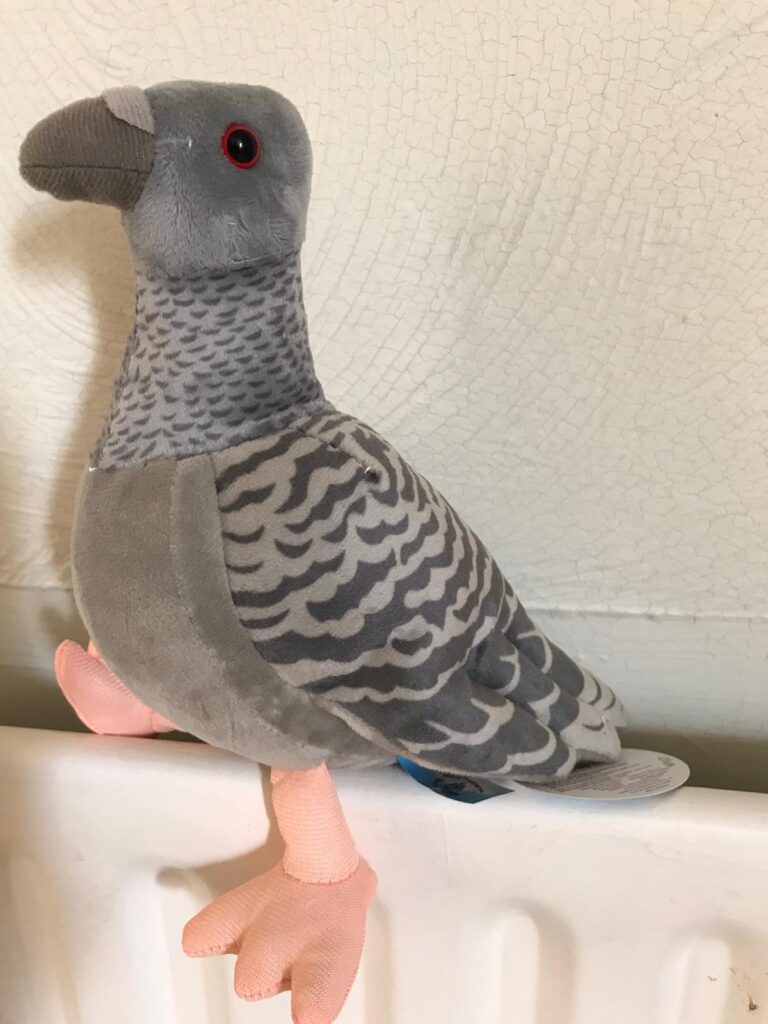
Janusz Paszkowski, president of NAUWC, welcomed delegates along with Guiseppe Guerini, president of Cecop. Both outlined how reporting standards are required to give the value of richness shared and build a heritage. Delegates were presented with a fabric Polish pigeon – the dove of Poland, with an apt message, “Let us bring us peace”, with Poland so close to Ukraine.
The EU is rethinking its strategy on social value and the opportunity to testify to strengths and standards of sustainable development. Currently, reporting is voluntary but is moving to mandatory with a broader approach and measure to report impact but not to add burden.
Co-ops have a long tradition of reporting which started early in the century. But innovation is required to respond to the co-op mission, to international standards and create value for members. Is this happening? Current reporting mechanisms need to be able to include data about co-operatives and their mission, which would give more specific information.
We received many excellent presentations including details from Olaizola Alberdi, PhD candidate at Mondragon University, who argued that B Corps cannot talk about sustainability the way co-ops do. It is our unique difference to prioritise people but this identity is not currently reflected in all national EU member states regulations.
Alberdi gave examples of reporting frameworks in Spain, emphasising the need to create tools to help co-ops on disclosure – Eroski and Mondragon Bank are giving this a big push.
Related: EU not doing enough to support worker buyouts, warn co-ops
Outcomes of research were the need to lobby sector-specific in reporting, to define “co-operativeness” and integrate this into assessment. We need to understand before we act and report – no shortcuts.
The summary also focused on what lessons have been learned in ESG (environmental, social and governance) and Sustainable Development Goals reporting. I gave the example of the Co-op Group’s Social Value & Sustainability Report: all agreed that best practice shares offers economy of scale and new ideas, and on the unnecessary reinventing of the wheel.
NAUWC hosted a visit to the Salt Mines – fascinating (400 downward steps) and the evening meal together provided a good opportunity to talk informally. I gave out bars of TI Chocolate for Change.
Both Babs and I were inspired. We cannot emphasise enough the value of solidarity and learning from each other.