As part of a movement with a long collective legacy, co-operatives have accumulated a cultural heritage that tells the story of how co-operation has contributed to sustainable livelihoods, community resilience, social justice, and cultural identity. In 2025, as part of the International Year of Cooperatives, the International Cooperative Alliance (ICA) began work to establish the ICA Cooperative Cultural Heritage List and platform, which celebrates places and traditions that embody the legacy, idea and practice of co-operation.
Cooperative Cultural Heritage (CCH) encompasses both tangible elements (such as sites, institutions, museums and legacy enterprises) and intangible traditions (including elements of local practice and traditions that safeguard co-operative values, practices, and governance systems). The CCH initiative aims to systematically identify, document, and safeguard these elements, and last year, launched culturalheritage.coop to curate and share this knowledge.
This year, the CCH working group appointed Thiago Schmidt, chair of Brazilian co-operative financial institution Sicredi Pioneira, as its new chair for the 2026-2027 term, emphasising the need to consolidate achievements while expanding global outreach. “The aim is to evolve the initiative into a permanent ICA programme, supported by a multi-annual work plan and strengthened policy advocacy at national and international levels,” he said.
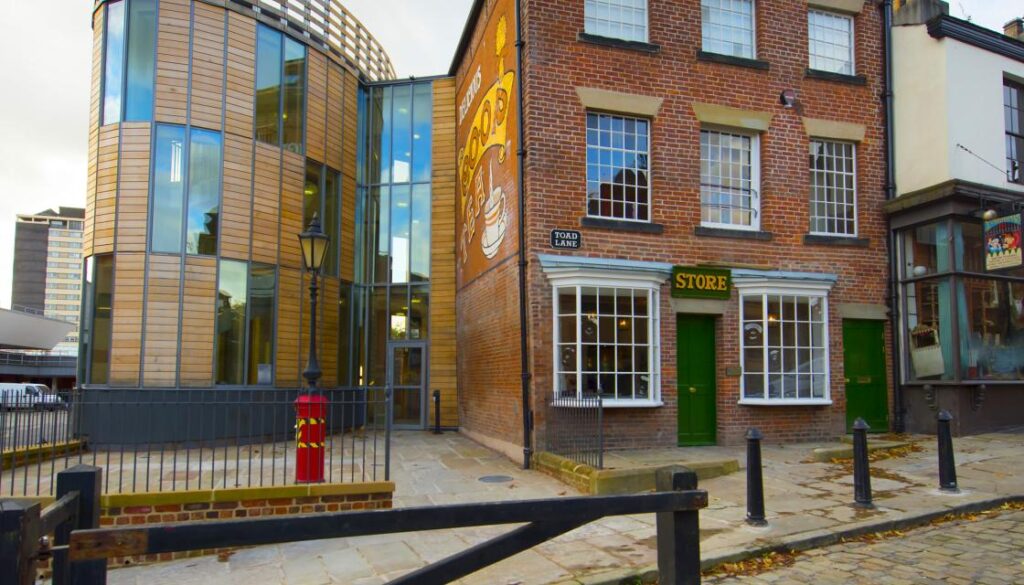
Main photo: Arctic Co-operatives Limited (Northern Canada)
The initiative builds on the inscription of the idea and practice of organising shared interests into co-operatives in the intangible cultural heritage list of Unesco in 2016.
“The co-operative idea is part of the cultural heritage of humanity,” says Santosh Kumar, the ICA director of legislation who is coordinating the CCH global secretariat with India, Brazil and the ICA global office.
Kumar adds that while it is important to celebrate the scale and achievements of the world’s largest co-op businesses, there is also a need to acknowledge the movement’s origins.
Related: Co-ops and cultural heritage: Mondiacult 2022
“The largest co-ops we celebrate today were once ideas born in fields, on kitchen tables, in pubs, in common spaces where folk gathered and dared to dream and then deliver on those dreams. The Erasmus University of Rotterdam has started teaching the history of co-operatives, because tomorrow’s business leaders need to know that everything is possible, so long as the stakeholders collaborate and co-operate.”
The wealth of co-operatives isn’t just measured in economic might, Kumar believes, but also in “the value co-ops bring to their communities – and beyond, through national and international co-operation”.
Recognition of the intangible side of cultural heritage is also important, he says, because while one of the most widely replicated co-operative models grew out of Western European responses to the Industrial Revolution, “there are other traditions of co-operation that date back 500 years, 1,000 years, from societies and communities in what we today would recognise as the so-called Global South, like the concepts like chama or ubuntu from East Africa, and land usage and water irrigations system seen around the world that only work if communities co-operate.
Kumar adds that it is “important to recognise these traditions, and the Cooperative Cultural Heritage programme is a concrete step towards this, and also towards decolonising the co-operative movement.”
The CCH initiative has several aims, the first of which is the ongoing development of an interactive world map which identifies sites of co-operative heritage. The online map of the first sites chosen was made possible with the support of ICA members NCDC (India) and the mentorship of the OCB (Brazil), and currently features 32 sites across 25 countries.

These include Cooperativa Ceramica d’Imola (Italy’s first production and worker co-operative), Moshi University in Tanzania (a unique institution where education, co-operation, and community empowerment converge) and Linha Imperial and Monumento A Força Cooperativa, in Nova Petrópolis (a city celebrated as Brazil’s Capital Nacional do Cooperativismo (National Capital of Cooperativism).
One intangible listing is the ILO Coop/SSE unit, which, for the last 106 years, ‘has been promoting and advocating for co-operatives’. It also features the UK’s Rochdale Pioneers Museum – and the Rochdale Road in Singapore, named after it. There’s the first Palestinian handicraft Co-op, as well as the first kibbutz in Israel.
Related: Lessons in success and failure from Patagonia’s first co-op
The initiative touches on peace, says Kumar. “Recognition of shared cultural heritage bridges gaps among nations and communities, by evidencing the shared heritage of co-operation and co-operatives that exist on both sides of the proverbial ‘borders’.”
In the longer term, the programme aims to develop a set of international standards and certification mechanisms concerning CCH, and launch a global communications and public-relations campaign to promote the contribution and potential of co-operatives to culture and sustainable development.
Another strategic priority is the advancement of cultural diplomacy as a means of strengthening the global co-operative movement. To this end, the CCH working group intends to convene an ‘ICA Circle of Mayors’, bringing together local authorities from cities and regions that host CCH sites and practices. By creating a dedicated platform for dialogue and collaboration, the initiative will foster closer partnerships between municipalities and co-operatives, while elevating the role of local governments as active custodians of co-operative heritage.
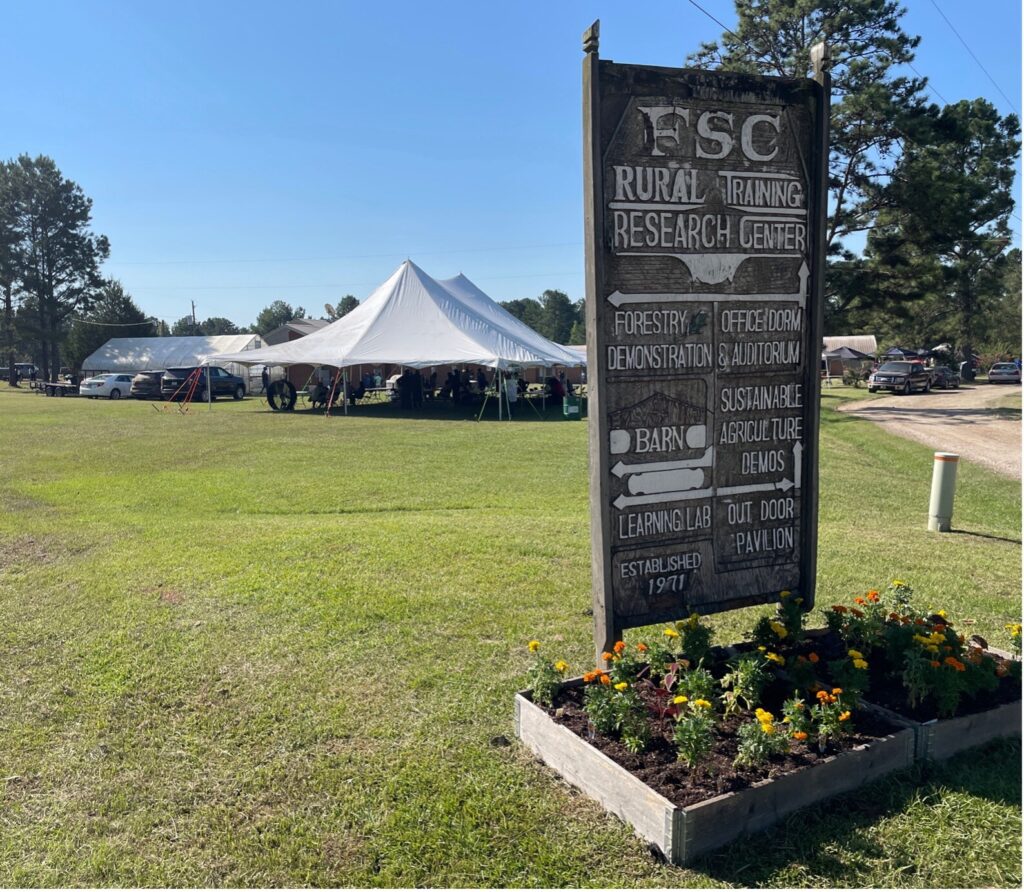
The ICA is now encouraging its member organisations to take an active role in identifying, celebrating, and safeguarding the living legacy of co-operation around the world, with the nominations process for new sites open from early April, with final decisions made by the working group against a 13-point set of international standards.
Related: Iowa co-op power plant designated a National Historic Landmark
“Nominations are assessed according to a set of criteria that consider the historical significance of the co-operative initiative, its participation in the international co-operative movement, and the extent to which co-operative values and principles are reflected in the site or practice,” says Kumar.
“Each nominated site becomes a living testament to co-operation as a force for social good, reminding us that the co-operative model is not only an economic structure but also a cultural tradition that connects past, present, and future generations.”
To find out more, explore the CCH map and submit a nomination, visit culturalheritage.coop