Newcastle Building Society was formed in 1980 as a result of a merger between the Grainger (founded 1861) and Newcastle Permanent Building Societies (founded 1863) – and over the last six years has been refocusing on community and regional development, and what its true purpose is for the North East of England.
This year, it became the first UK organisation to receive Mutual Value Measurement (MVM) Accreditation, which recognises its ongoing commitment to create value and better serve its members and their communities.
Developed in Australia by co-op apex the Business Council of Co-operatives and Mutuals (BCCM) and researchers at Monash University in Melbourne, the MVM framework helps co-operatives and mutuals to understand, measure and report their positive impact on members, the economy and their communities.
“As a mutual, member-owned organisation, our purpose is to ‘connect our communities with a better financial future’,” says Andrew Haigh, CEO at Newcastle Building Society. “For us, delivering our purpose and creating value for our customers and communities is about much more than just the good rates we aim to offer through our savings and mortgage products.”
Related: Robin Fieth of Building Societies Association among speakers at the UKSCS conference
The MVM framework identifies six dimensions to the key value that co-operatives and mutuals generate: commerciality; shaping markets; member relationships; community relationships; ecosystem and reciprocity; and mutual mindset.
Haigh first came across the MVM through a presentation by Mutuo’s Peter Hunt at the 2022 Building Society Association (BSA) conference – and says the framework dimensions immediately chimed with Newcastle Building Society’s work on its own purpose.
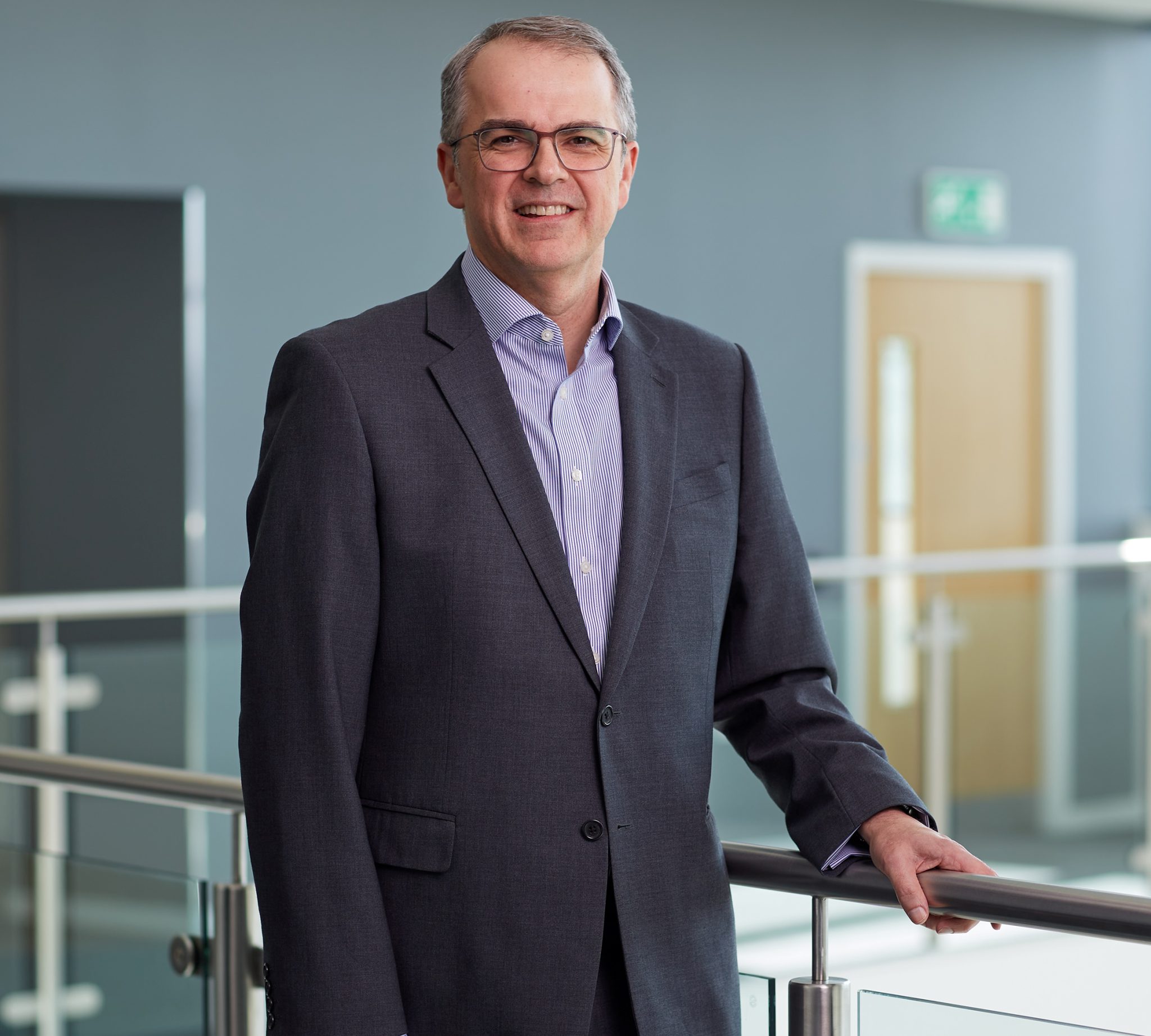
“It seemed very relevant,” he says. “We’ve been a purpose-led business for a long time, but the opportunity to stop and use a different model to evaluate where we create value for members seemed like fortunate timing.”
Newcastle is strongly embedded in its region, he adds, and while the North East enjoys stunning scenery, great cities and world-leading universities, he is also cognisant of the regional challenges around child poverty, skills gaps, employability and education.
“Our proposition to the region is first as a building society – we’re about savings accounts, and helping people save, helping them own their own home. We also provide financial advice. But beyond that is the financial education aspect, as well as employability and a physical presence on the high street.
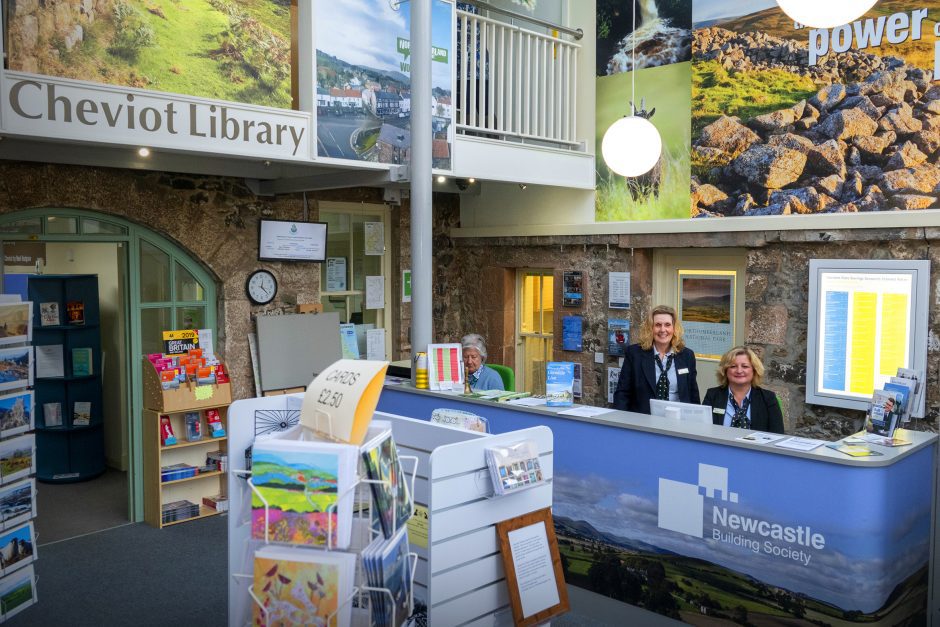
“At a time when banks are closing branches, we’ve been trying to find ways to open branches in places where the last bank has left. We also do a lot of work in partnership, so we’ve got branches in libraries, community centres and other community spaces.”
He adds that Newcastle Building Society takes its role as a regional employer seriously. “We look to add value back to communities as an employer while also being positive when it comes to employability,” he says, describing how the society works with strategic partners to support employment programmes. “That’s very much in our ethos as a business, that wider sense of mutuality, and what it means to be a regional mutual.”
The process of accreditation included independent assessments of where the society creates value. “We scored highly in all six criteria of the framework,” says Haigh, “but we also found a whole raft of things we were doing that were consistent with purpose, but weren’t really creating value. That’s one of the things the model has helped us do from a strategy point of view: focus on the things that are going to make the most difference going forward in terms of that value proposition back to members […] It’s not been about reinvention, but about focus and prioritisation.”
He adds that some of the process was a bit of a reality check. “Just because something is relevant, doesn’t mean say it’s something that is providing the most value.”
The other area the MVM framework has helped with is how the organisation communicates this value back to members.
“If there’s one issue I have with co-operatives and mutuals it’s that we are very poor at telling our story,” he says. “We do lots of good things that don’t get communicated very well. The structure [of MVM] and the discipline that it brings are also helping us think about how we can tell our story back to members.”
This includes how the society has structured some of the narrative into its annual report, and how it interacts with its membership.
“We’ve historically tended to do a few big events,” says Haigh, “but this gives us a framework to have smaller, more regular communications through the year with the member groups. So we’re starting to look at how we roll that out. It’s all pretty new, but I would hope over the next couple of years that those communications to members will start to tell a year-on-year story rather than almost starting from scratch every time we go to talk to them.”
Newcastle Building Society is the first organisation outside of Australia to receive the accreditation, but Haigh sees the international dimension of the process as a powerful one.
“I think when we are so closely aligned in terms of values, there’s absolutely something to be gained from sharing experience and sharing ideas. In a local sense, that has to be done thoughtfully because of competitive pressures and regulations, but the whole sense of being able to share how you think about business, how you think about value, and how the model is different, empowers us to do different things and think in a different way. Sharing different ideas, perspectives, successes, and challenges is really useful and empowering.
Last year Haigh shared his organisation’s experiences at BCCM’s annual conference in Australia, and this year he will be speaking at the BSA conference in Manchester on 8-9 May. Newcastle has also hosted several visits from mutuals based in Australia and New Zealand.
“There is such value in the realisation that while they might be on the other side of the world, we share a huge amount in terms of values and the challenges we face.”