A credit union initiative is bringing a combined US$2.5m in finance for 93 small and medium enterprises (SMEs) in Kenya.
The year-long initiative, led by the World Council of Credit Unions (Woccu) and Worldwide Foundation of Credit Unions (WFCU), is designed to expand access to capital for business owners often overlooked or turned away by traditional banks.
Backed by WFCU donors and partners throughout the global credit union movement, Woccu worked with three savings and credit co-ops (saccos) – Unaitas, Boresha Sacco and Kenya Police Sacco – and the African Confederation of Co-operative Savings and Credit Associations (Accosca) Academy to challenge a long-standing assumption in Kenyan lending: that financing SMEs is too risky.
In some cases, says Woccu, the challenge was not a lack of collateral, but limited capacity to assess business risk and repayment capacity.
Through technical assistance tailored to each sacco, staff learned to evaluate businesses based on cash flow and prospects – not solely on existing assets – and to build stronger, lasting relationships with entrepreneurs.
Related: Saccos can improve financial inclusion for refugees and migrants, says report
Woccu says the programme has been a success, with the 93 SMEs maintaining non-performing loans below 1% – well below the programme’s target ceiling. The initiative also produced five training manuals, which were piloted with sacco staff through the Accosca Academy and designed for use well beyond the three participating institutions.
Main image: A training session at Unaitas in Nairobi
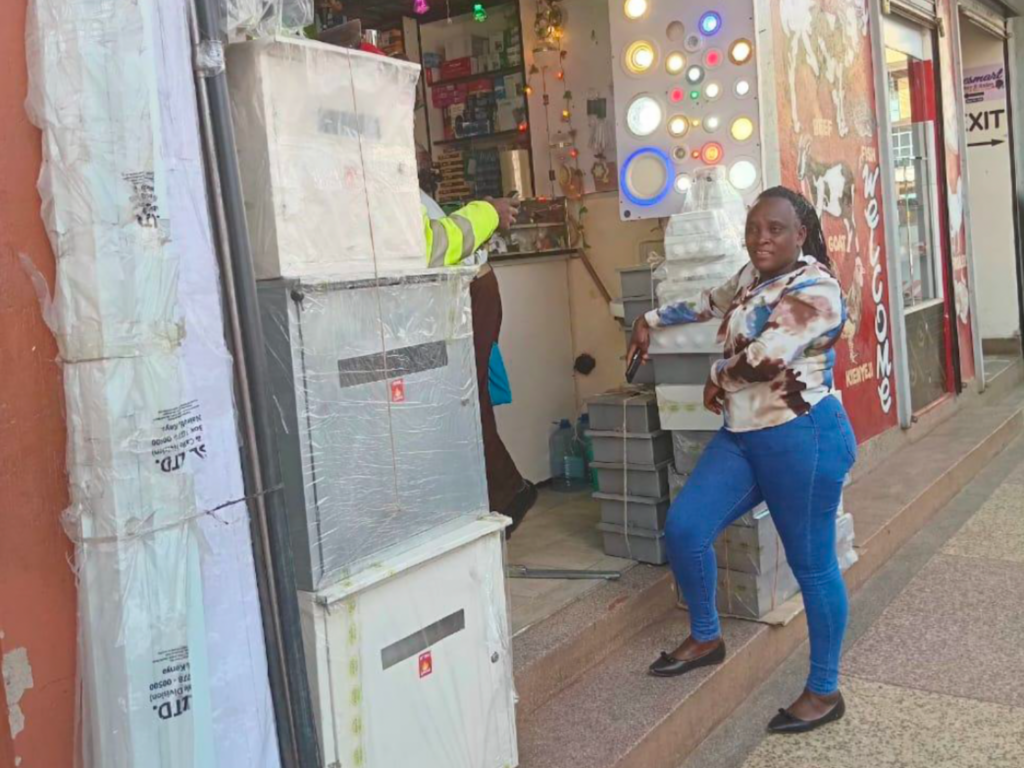
The apex gives the example of Gaceri Wallace – who, with her husband, opened a small electrical and electronics shop in Thika 16 years ago, growing it slowly as capital allowed. A loan through Unaitas enabled her stock enough inventory to meet demand instead of turning customers away. The business has since expanded to two outlets, added two employees, and monthly sales have grown from KES1.5m (US$11,600, £8,500) to KES2m (US$15,500, £11,300) – profits that are helping her family build a home.
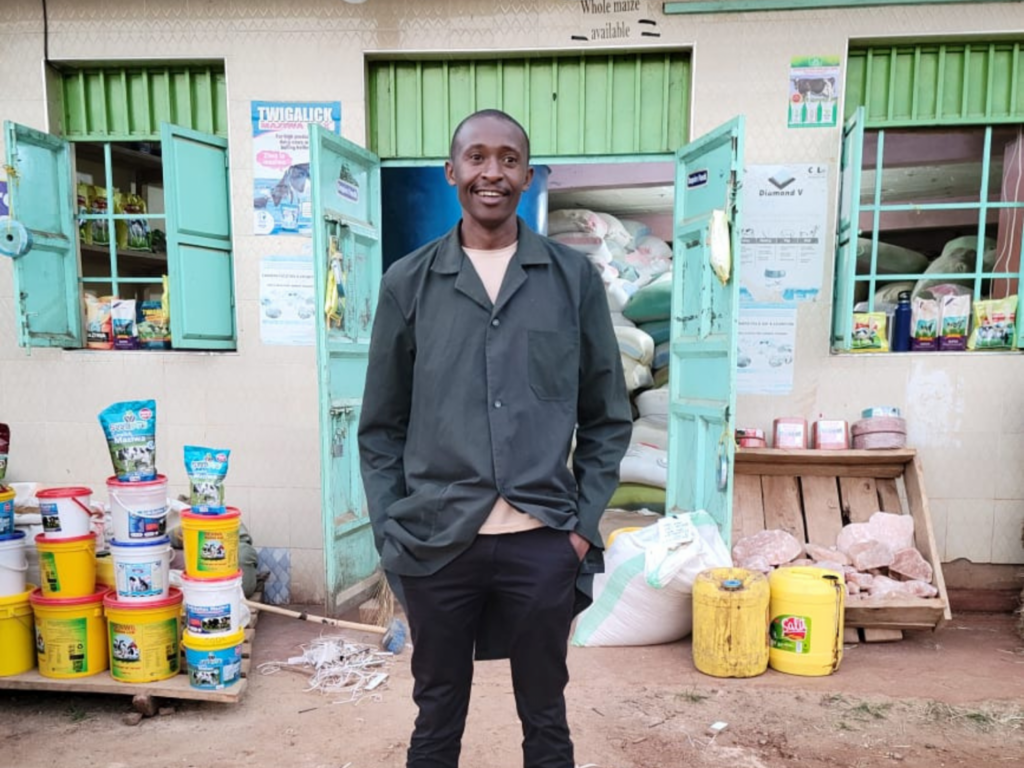
Geoffrey Kagwanja Karuma built a similar success story in Murang’a County, adds Woccu. He began producing animal feed after seeing local farmers struggle to find a reliable source of quality feed. Financing through Unaitas let him buy in greater volume and reach farmers, co-ops and retailers across the area. The business now generates roughly KES1.6m (US$12,400, £9,000) in monthly sales, with growth that has rippled through the local supply chain.
Inside the saccos, the change extended beyond loan volume. “The business of the member is more important than the collateral,” said Beatrice Mathu, relationship manager at Unaitas, describing how staff learned to evaluate applicants.
Nephat Murimi, head of SME lending at Unaitas, said the new appraisal tools have laid the ground work for a dedicated SME strategy the institution plans to introduce across all branches.
Kenya’s regulated sacco sector manages more than KES1tn (US$7.7bn, £5.6bn) in assets, while nearly 29,000 credit unions across Africa serve 46 million members. To extend the initiative’s reach, Woccu is working with the Accosca Academy to distribute the five training manuals – covering SME market research, loan appraisal, KYC/AML, emerging risk and ESG – to saccos across Kenya and the broader region.