Kier Starmer’s government has announced a £5bn scheme, Pride in Place, to support community-led regeneration in 339 poorer or “overlooked” parts of the country.
The plan, which echoes the levelling-up rhetoric of the previous Conservative administration, will offer more communities funding to restore derelict shops, pubs and libraries, as well as giving them new powers to decide the future of their high streets.
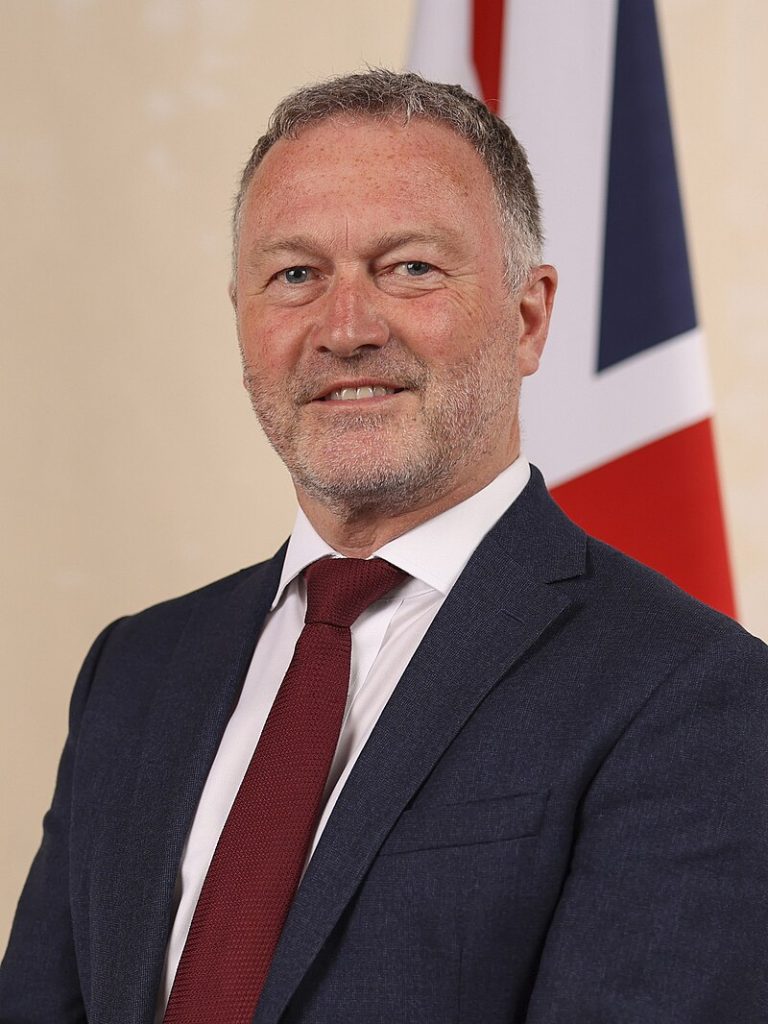
The policy was announced by Steve Reed, the Labour/Co-op MP who was in the recent reshuffle appointed secretary of state for housing, communities and local government. He has been a long-time exponent of the co-operative council model.
Coming alongside a beefed-up right to buy for community assets, the project includes a Co-operative Development Unit within Reed’s department, and will support the government’s ambition to double the co-op and mutual sector.
“Leaders have a choice,” said Reed. “We don’t have to follow the well-trodden path of hoarding power and micromanaging from dark corridors in Whitehall. Decisions about communities, made without them. This government sees an alternative – putting people in control of their lives, and their local area.”
The Co-op Party, Labour’s sister party, welcomed the move, posting on social media: “We understand that the best model for this type of community initiative is often found in the co-operative movement. That is why it is important that the strategy sets out the need for a new co-operative development unit to be established.
“Our movement deserves improved development support and this is a great start. The Co-operative Party and our Community Britain campaign believe that strong communities are vital for the national renewal this country desperately needs. Shared space, shared ownership and shared experience.
“The Pride in Place Programme is a big step in the right direction.”
James Wright, policy and development lead at Co-operatives UK, which contributed to the policy process, said: “The new Pride in Place programme has real potential to empower communities, democratise local ownership and create opportunities for co-operatives and mutuals. Government has listened on the need for capacity building, co-op development and on the central role of shifting ownership.
“This £5bn pot is big – but it’s only a catalyst. The real prize is unlocking the social and economic capital already in communities. That will work if empowerment is real – and that’s where co-operatives come in. We’re proud that Co-operatives UK has fed into the policy process. Now we’re eager to help deliver.”
But Plunkett UK, which supports the rural community business sector, was critical of the focus on urban areas, which it says leaves “thousands of rural areas excluded from this opportunity”.
CEO James Alcock added: “While the measures announced are welcome for the urban communities identified, and the funding will undoubtedly provide a much-needed boost, we are deeply concerned that rural communities have once again been overlooked.
“For too long, successive governments have failed to recognise the unique challenges facing rural areas – where people live without access to basic services, affordable transport, or even a place to gather and socialise. If rural England were measured as its own region, government’s own data shows it would be the area most in need of levelling up.”
“The government must act to ensure fair recognition and tailored support for rural areas – not assume that a programme designed for urban deprivation will fit all.”
The move comes as Labour falls behind the right wing populist Reform Party in the polls and struggles to connect with its former heartlands.
With economic growth sluggish, the government has been rocked by a series of backlashes against unpopular policies, including disability benefit cuts, inheritance tax changes for farmers, and cuts to the winter fuel allowance.
Making matters worse, it struggled to respond to Reform’s domination of the headlines over the summer, as Nigel Farage’s party ramped up its language on immigration, and has also been rocked by scandals, including the departures of Angela Raynor and Peter Mandelson, and a row over donations to a think-tank run by Starmer’s chief of staff Morgan McSweeney. The elections watchdog has said McSweeney will not face another investigation into the matter.
These problems, coupled with Starmer’s poor personal polling, have fuelled speculation that Andy Burnham, the Labour/Co-op mayor of Greater Manchester, will mount a challenge for the leadership. But while Burnham has proposed policies to “turn the country around”, including higher council tax on expensive homes in the South East, he has not declared any intention to run. He also faces a number of challenges, including reported resistance from Labour MPs and the need to win a parliamentary seat.
As well as new policy ideas, which also include plans for digital ID cards, Starmer held a small reshuffle this month, following Raynor’s resignation.
Reed is not the only Labour/Co-op figure named in the reshuffle. Notably, Jonathan Reynolds, who became the first Labour/Co-op MP to hold the post of business secretary, was moved to the post of chief whip. He was replaced by Peter Kyle.
Anna Turley moves from lord commissioner of the Treasury to minister without portfolio and also becomes chair of the Labour Party.
James Murray received a promotion, moving from exchequer secretary to the Treasury to chief secretary to the Treasury.
Lucy Powell, formerly leader of the Commons, was dismissed from the government and is now vying with Bridget Phillipson for the post of deputy PM.